Psalms for comfort
Five psalms use the word comfort, and each of them says where comfort comes from. The best known is the shepherd psalm, where the rod and the staff comfort the one who walks through the valley of the shadow of death. In another the Lord has holpen the one who prays and comforted him; another asks that the Lord comfort him on every side; another says that the Lord’s comforts delight his soul; and another calls the Lord’s word his comfort in affliction. Here they are by King James number, with the Septuagint number in brackets, the verse and the kathisma.
A psalm is on this list when its King James text uses one of these words or phrases: comfort and console.
- Psalm 23 (Psalm 22 in the Septuagint), kathisma 3: verse 4, with the word comfort.
- Psalm 71 (Psalm 70 in the Septuagint), kathisma 10: verse 21, with the word comfort.
- Psalm 86 (Psalm 85 in the Septuagint), kathisma 12: verse 17, with the word comfort.
- Psalm 94 (Psalm 93 in the Septuagint), kathisma 13: verse 19, with the word comfort.
- Psalm 119 (Psalm 118 in the Septuagint), kathisma 17: verse 50, also verses 52, 76 and 82, with the word comfort.
The psalms with the most such verses for their length are kept, in King James order. Verses that use the word in another sense were read and set aside; for example Psalm 69, verse 20 (looked for comforters and found none: the verse says comfort was lacking); Psalm 77, verse 2 (my soul refused to be comforted: the verse says comfort was refused).
The list is short: five psalms use the word. A psalm may comfort without using it, and the Church would not say that only these five do. These five are the ones whose own words name it, and they are given here so that anyone who searches for a psalm of comfort finds a verse they can read and not only a number.
How the Church reads the psalms of comfort
The Church does not hand a person in sorrow one psalm and leave. It prays the whole Psalter in order, in twenty kathismata, and the psalms of comfort come round in their places with the rest. The psalms on this page stand in the third, tenth, twelfth, thirteenth and seventeenth kathismata.
So an Orthodox Christian who reaches for a psalm of comfort is not reaching alone. The psalm belongs to a common prayer, and the words on this page are the Church’s words, given with their numbers in both systems so that they can be found in a Bible or in a service book.
For someone in a hard season
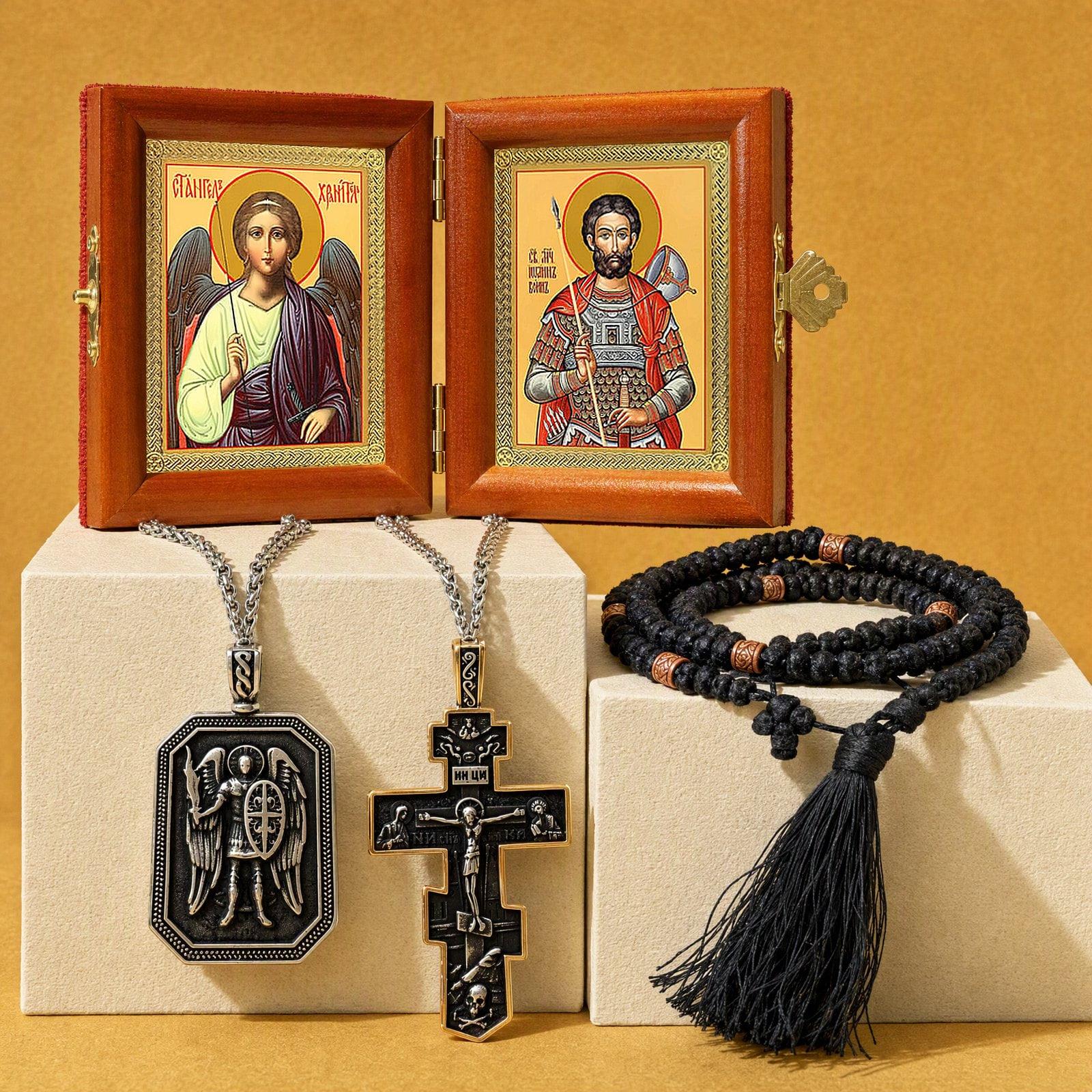
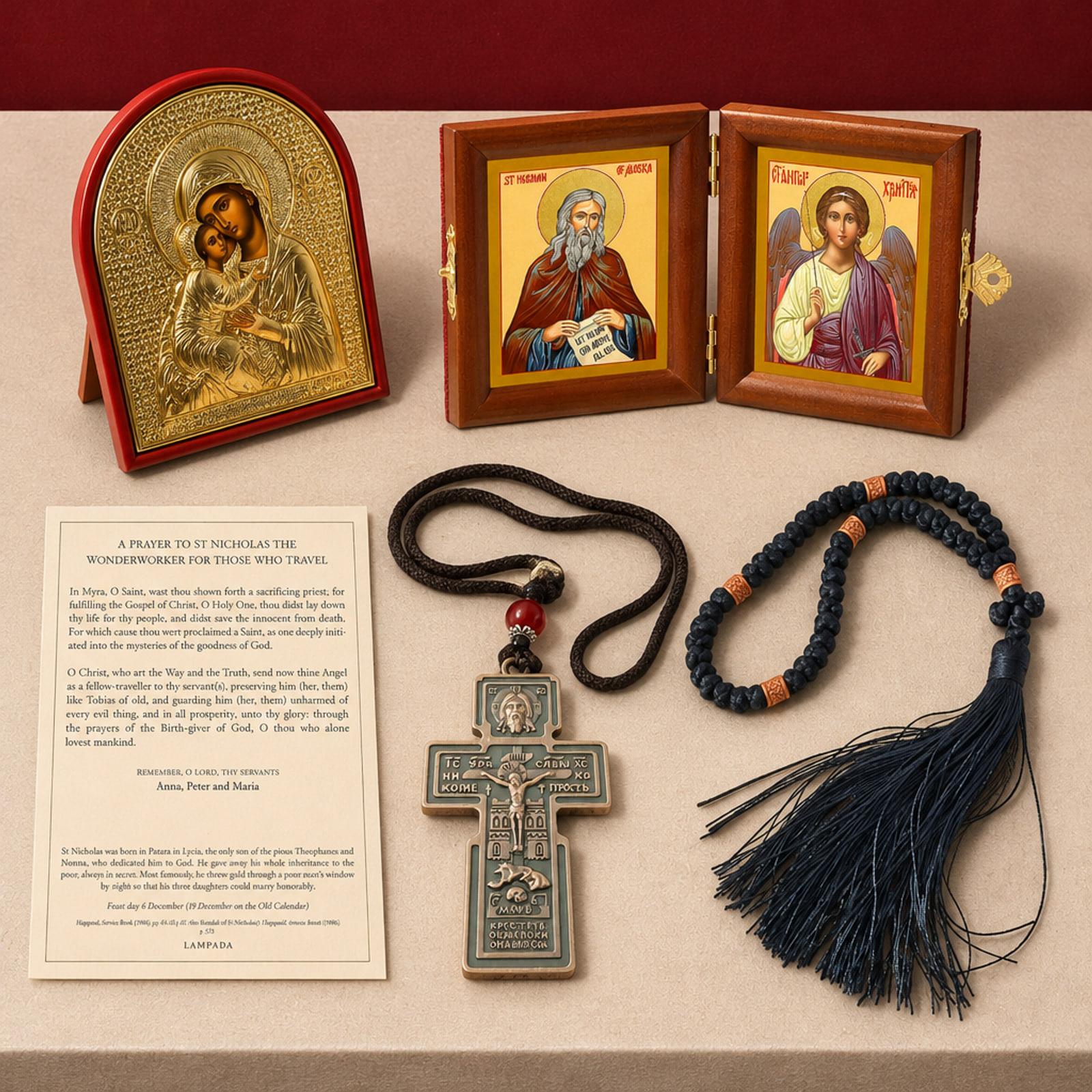
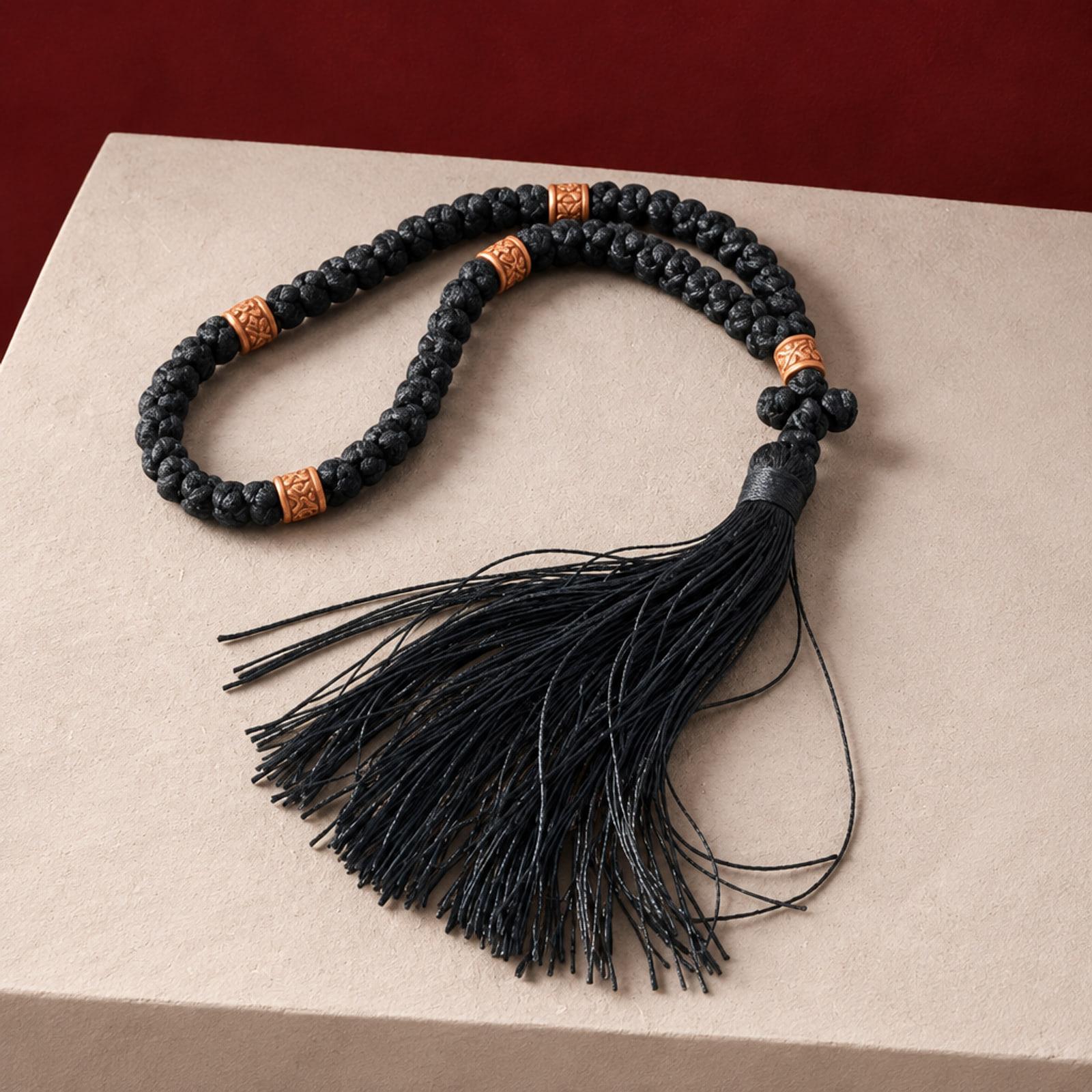
These give a home something to pray before: the Protector Set, a folding icon, a medallion, a crucifix and a prayer rope for a home and everyone in it; the Comfort Set, a patron saint icon, a Holy Face crucifix, a prayer rope and a printed prayer with their names for someone going through a hard time; and a black wool prayer rope with dividing beads and a tassel, for the Jesus Prayer. An Orthodox priest can bless any piece before it ships. With the Blessing, $83 to $258.
- Blessing, $49. Blessed by an Orthodox priest before it ships.
- Gift packaging, $20
Questions
Which psalm is the best known psalm of comfort?
The shepherd psalm, Psalm 23, called Psalm 22 in the Septuagint. Its fourth verse says that the rod and the staff comfort the one who walks through the valley of the shadow of death.
How many psalms use the word comfort?
Five, according to a verse-by-verse reading of the King James text for the words comfort and console. They are listed on this page.
Which psalm calls the Lord’s word a comfort in affliction?
Psalm 119, verse 50, which the Septuagint numbers 118. It stands in the seventeenth kathisma.
Why do the psalms have two numbers?
The King James Bible numbers the psalms in the Hebrew order and the Orthodox Church in the Septuagint order, and the two differ for many psalms. This page gives the Septuagint number beside the King James number.
Can the Protector Set be blessed before it ships?
Yes. Choose the Blessing on its page and an Orthodox priest blesses it before it ships. With the Blessing, $218 (normally $291).