Why is Orthodox Christmas on January 7th?
Because some Orthodox churches still count days on the Julian calendar, which runs 13 days behind the calendar most of the world uses. Their Christmas is December 25 on their calendar, and that same day is January 7 on the civil one. The feast is the same; the calendar differs.
The gap. The Julian calendar adds slightly too many leap days compared with the seasons, so it slips back roughly one day every 128 years. A reform in 1582 produced the Gregorian calendar, which is more accurate, and the gap between the two has since grown to 13 days. The January 7 match holds only until 2100, when the Julian calendar drifts back by one more day.
Who keeps which date. In 1923 a congress in Constantinople created the Revised Julian calendar, dropping thirteen days so that October 1 of that year became October 14 and fixed feasts matched the Gregorian dates. Bulgaria, Romania, Cyprus, Greece, Antioch, Alexandria and Constantinople were among those that adopted it. Jerusalem, Serbia and Georgia did not, and the monastic community of Mount Athos is among those that did not adopt it either. Counted by headcount, most Orthodox Christians follow the Julian calendar, yet more of the self-governing churches use a newer one. So “Orthodox Christmas” has two dates, depending on the church.
Who celebrates on January 6. The Armenian Apostolic Church holds to the ancient Eastern practice of marking Christ’s birth and Theophany as one celebration on January 6, a date that is the same on both calendars. Early in the East, the Nativity was linked to the Epiphany celebration on January 6 rather than kept on its own day, so this is a survival of the older practice rather than a separate feast. For the churches described above, January 6 is Theophany instead.
What does not change. The Gospel account is the same: “Now when Jesus was born in Bethlehem of Judaea in the days of Herod the king, behold, there came wise men from the east to Jerusalem.”
In short. Orthodox Christmas is on January 7 because those churches keep December 25 on the Julian calendar, 13 days behind the civil one; other Orthodox churches keep December 25 on the civil date.
One faith, more than one calendar
The reason for the two dates is the calendar, not the faith: the churches described here keep the same feast of the birth of Christ and differ only in how they count the days. Even the Armenian date on January 6 is a survival of the older Eastern way of keeping the birth and Theophany together, so the difference runs back to the early centuries. If you are unsure which date applies to the church you attend, or to relatives in another jurisdiction, your parish priest can say, and can tell you when its services will be held.
A Christmas gift for either date
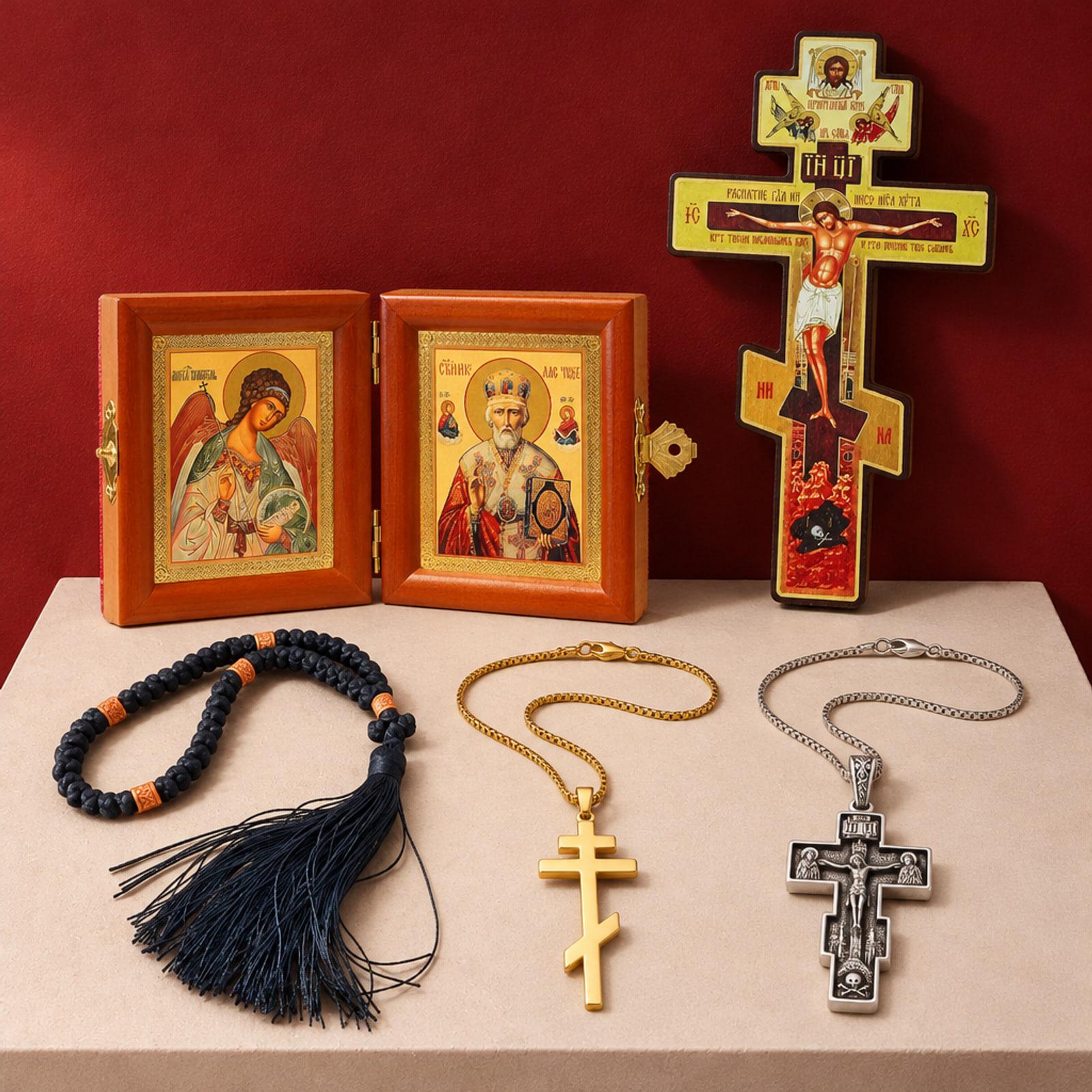
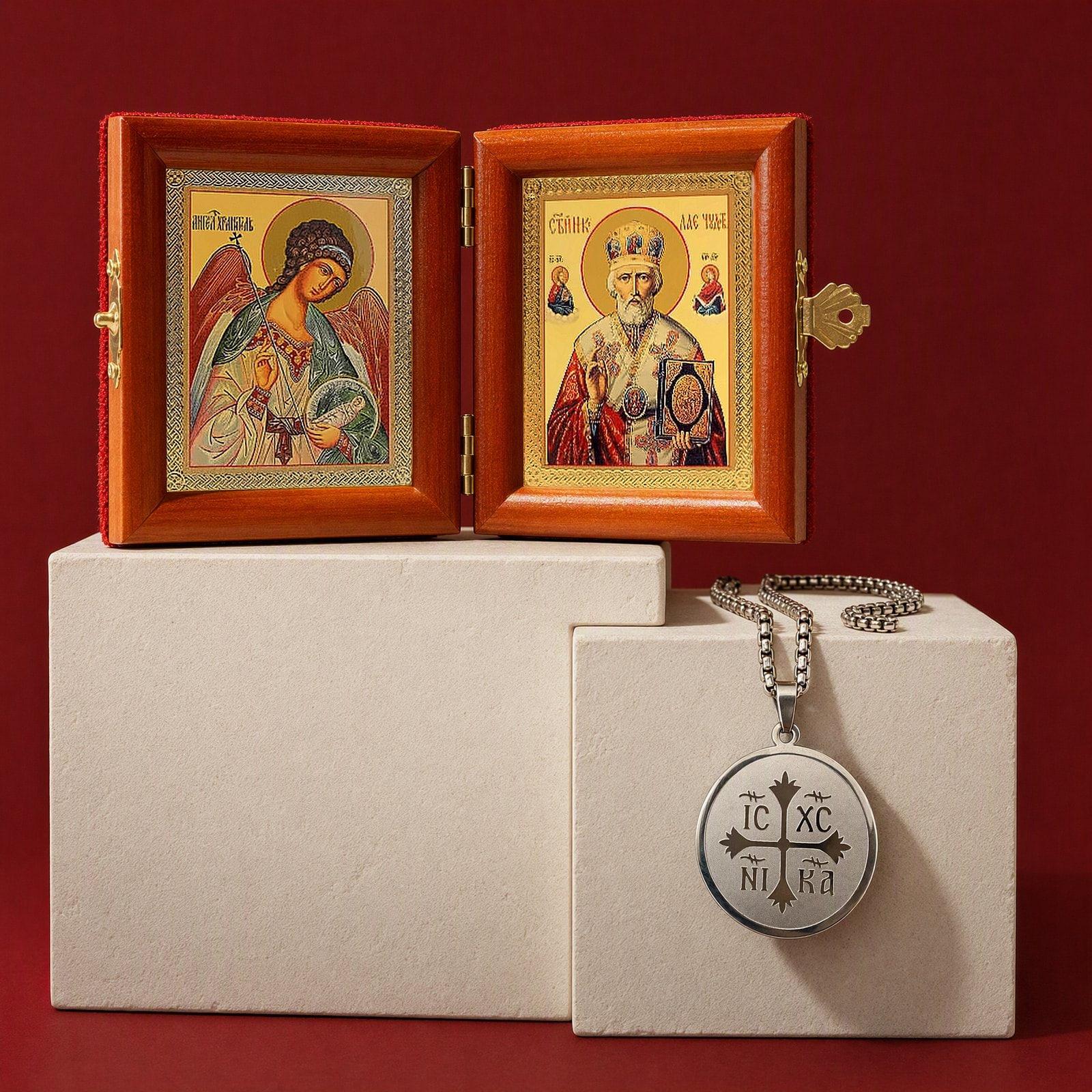
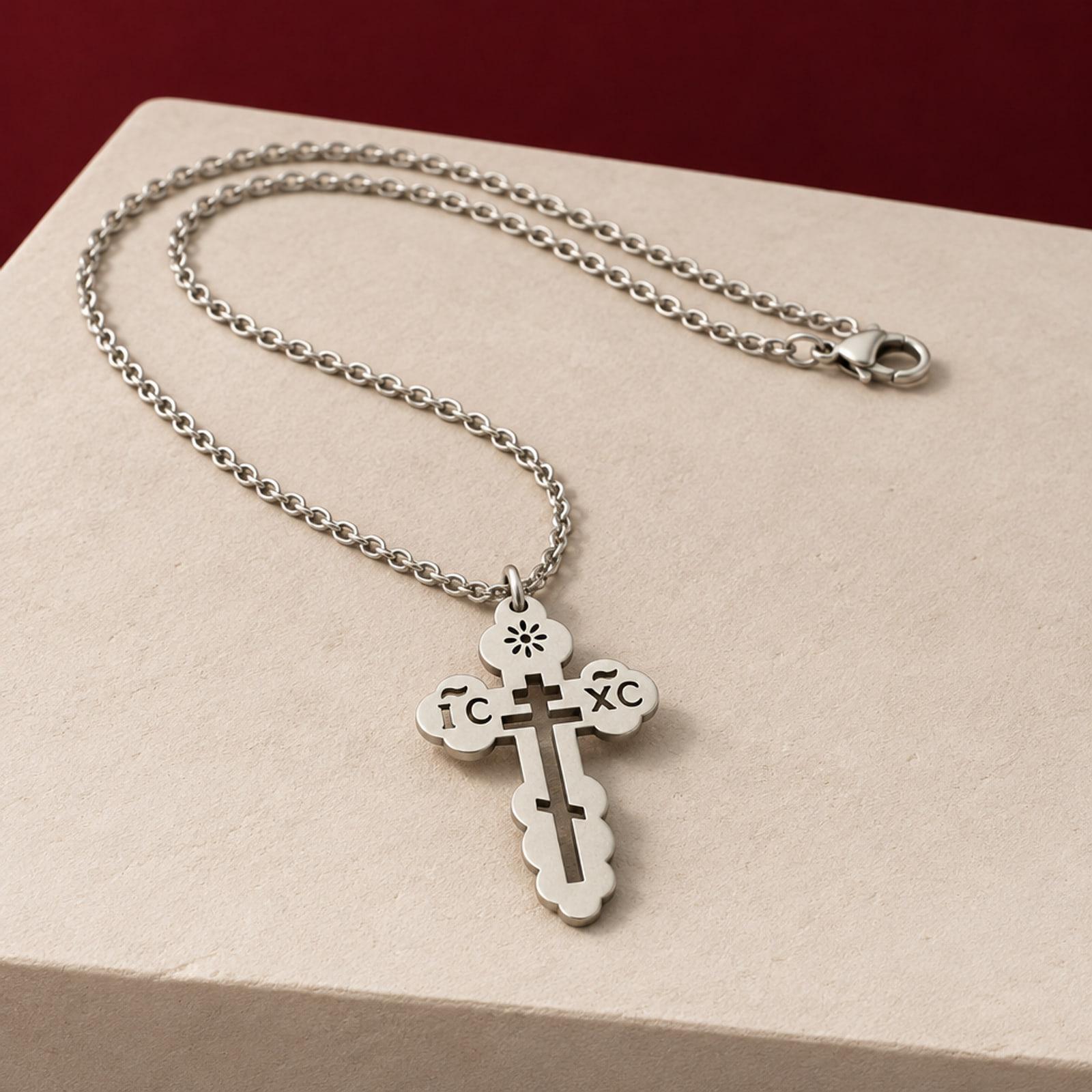
The Christmas Set, $229, is one Christmas gift for the whole household, whichever day your family keeps it, and the small IC XC cross, $54, is a cut-out three-bar cross to wear every day.
- Blessing, from $39. Blessed by an Orthodox priest before it ships.
- Gift packaging, $20
Questions
Why do Orthodox celebrate Christmas on January 7?
Some Orthodox churches keep December 25 on the Julian calendar, which is 13 days behind the civil calendar, so their December 25 is January 7 on the calendar most people use.
Is Orthodox Christmas always January 7?
Not for every church, and not forever. Churches on the Revised Julian calendar keep December 25. For Julian churches the match holds only until 2100, after which the gap grows by one day.
Who celebrates Orthodox Christmas on January 7?
Churches such as Jerusalem, Serbia and Georgia, and the monastic community of Mount Athos, keep the Julian calendar.
Who celebrates Christmas on January 6?
The Armenian Apostolic Church celebrates Christ’s birth together with Theophany on January 6.