A saint's day
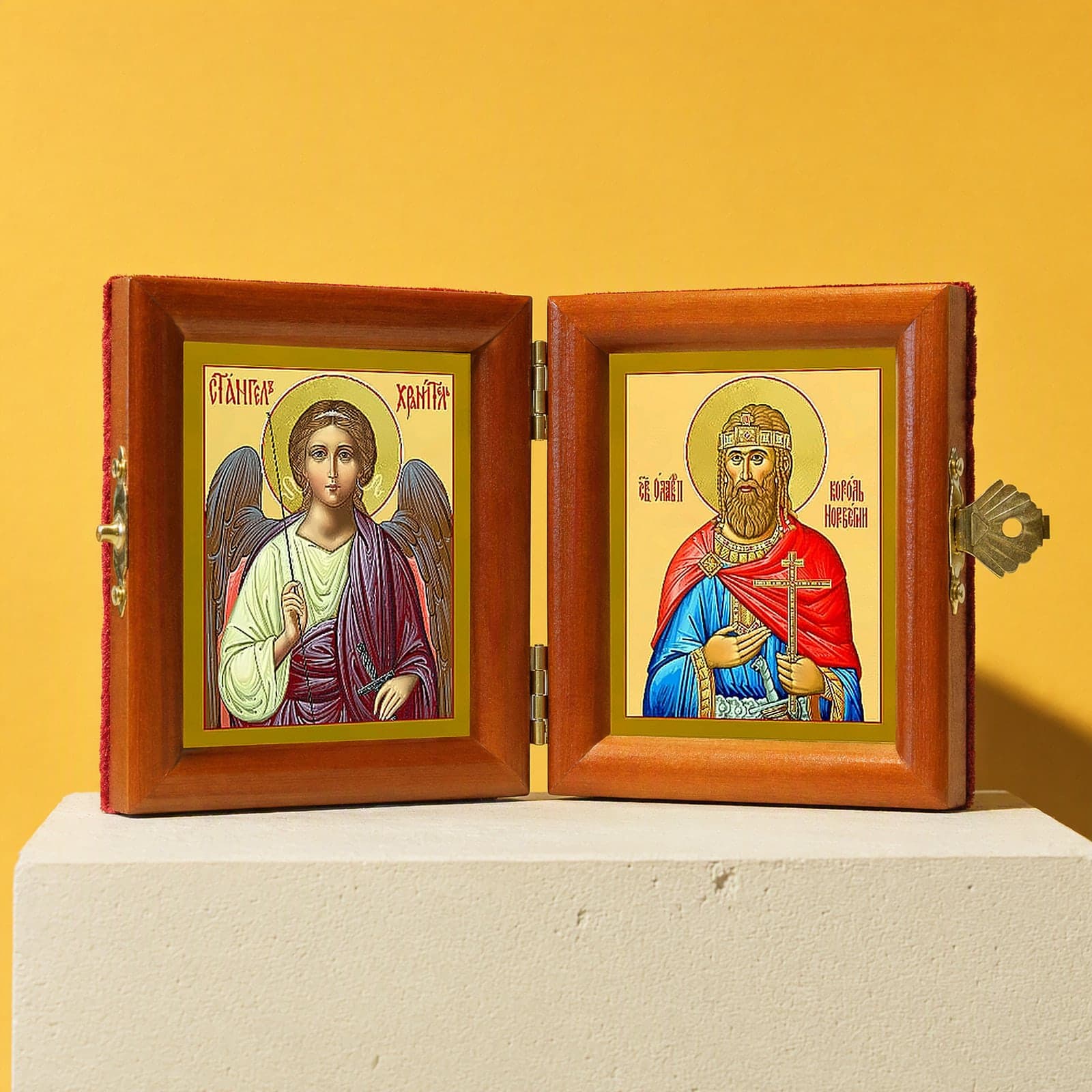
St Olaf, King of Norway
St Olaf Haraldsson, baptized as a young man, became king of Norway in 1015 and spent his reign planting the Christian faith among a fiercely pagan people, building churches and bringing bishops and clergy. Driven into exile, he found shelter in Novgorod at the court of Prince Yaroslav the Wise, and in 1030 he returned and fell at the Battle of Stiklestad. A year later his body was found incorrupt, and miracles soon made his grave a place of pilgrimage.
The dates
- Kept on
- 29 July (11 August on the Old Calendar)
- Next, New Calendar
- Next, Old Calendar
The New Calendar (the Greek, Antiochian, Romanian and Bulgarian churches, the OCA and most converts) keeps fixed feasts on the church date; the Old Calendar (the Russian, Serbian and Georgian churches, Jerusalem and Mount Athos) keeps them 13 days later. Pascha and the feasts that follow it are kept on the same day by both.
How the day is kept
Orthodox Christians venerate him as a passion-bearer of the undivided Church, mainly in Russian usage and among the Orthodox of Scandinavia; he is not prominent in Greek calendars.
Norway has honored him ever since as its patron and “Eternal King,” and Lutheran Norway still keeps his day as Olsok.
His memory was kept even in the Varangian chapel at Constantinople.
Name days
These names keep their name day on this feast:
The saint
Icons for the feast
Have it consecrated by our priest before it reaches you — Consecration, $49.