How to pronounce Pascha
Pascha is said PAH-skah, with the stress on the first syllable, as the accent on the Greek word shows. The shorter English name Pasch is said PASK, with the short a of cat. Both come from the old word for Passover, and Pascha is the Church’s own name for Easter. It is a Greek word that Greek and Latin took from Aramaic, which took it from the Hebrew Pesach.
The sounds. Say two syllables, PAH and skah, and lean on the first. That is a plain-letter version of the romanized Greek word, which carries its accent mark over the first vowel. For the short form, Wikipedia’s pronunciation guide for Pasch gives a short a followed by sk, which is why it rhymes with task.
What it means in Greek. Pascha is the Greek form of the word, so there is nothing to translate: it means Passover. Wikipedia notes that in both Latin and Greek the Christian feast was and still is called Pascha, and OrthodoxWiki explains that the Greek word is itself a transliteration of the Aramaic pascha, from the Hebrew pesach. So the answer to the question whether Pascha is Greek is yes in form, Aramaic and Hebrew in origin.
Where it is used. Most languages call the feast by a name from the Greek and Latin Pascha, and in the Orthodox Church Pascha is also a name by which Jesus himself is remembered, above all in connection with his resurrection. Many English-speaking Orthodox also use the word Easter, and a small minority prefer Pasch.
How to greet. At Pascha the faithful call out Christ is risen and the people answer Indeed he is risen. In 2027 Orthodox Pascha falls on 2 May. The OCA describes the feast as the celebration of the New Christian Passover.
In short. Say PAH-skah, stress on the first syllable; the short form Pasch is PASK; the word means Passover, and it is Greek in form, Aramaic and Hebrew in origin.
A word that holds the feast
The word keeps the memory that the Church’s Easter grew out of Passover, and the OCA calls the feast the New Christian Passover. In the Orthodox Church Pascha is also a name of Christ himself, so the one word names both the feast and the one it celebrates. The greeting Christ is risen is a natural way to practice the word aloud. If you are unsure how your own parish says it, listen at the Paschal service or ask your parish priest.
A cross of victory to wear
The silver-tone IC XC NIKA medallion, $54, carries the cross and the words Jesus Christ conquers, and is made to wear every day.
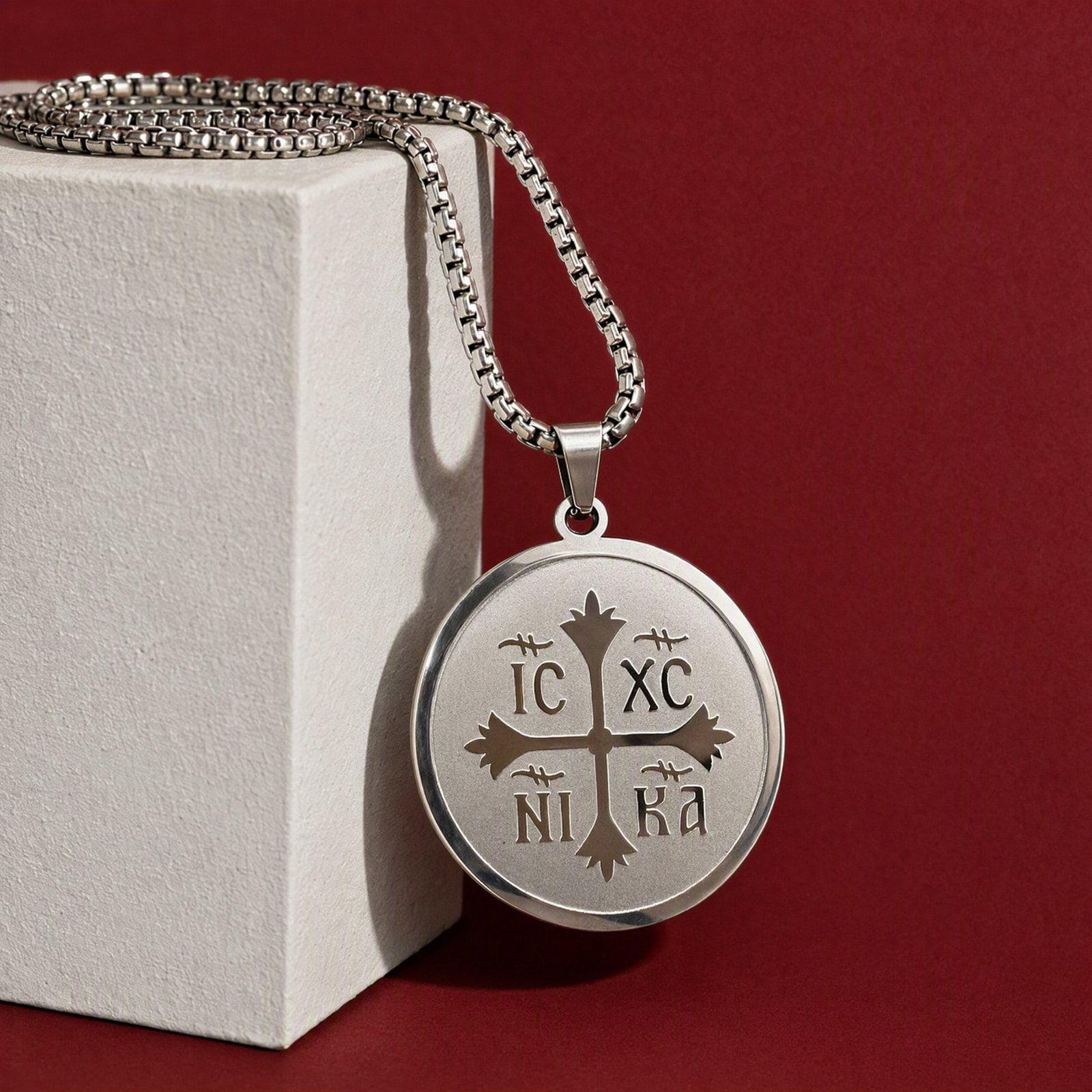 Medalla
Nika Bright
Color plata · Medalla ortodoxa de acero inoxidable$78$54 Set de regalo
Set de primeros iconos
$342$239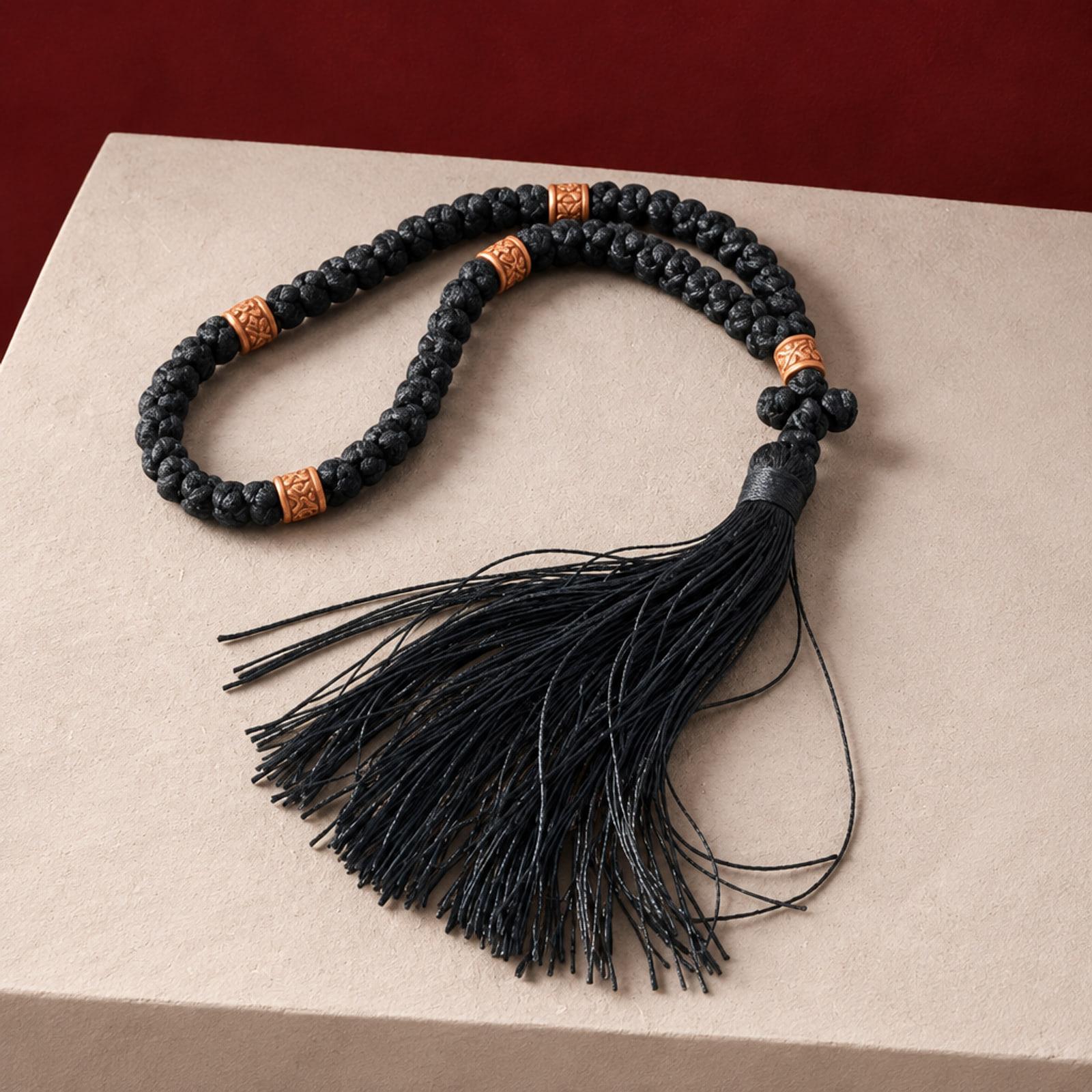 Cordón de oración
Chotki Komboskini
Color negro · Cordón de oración ortodoxo de lana, 50 nudos$49$34
- Blessing, $49. Blessed by an Orthodox priest before it ships.
- Gift packaging, $20
Questions
How do you pronounce Pascha?
PAH-skah, with the stress on the first syllable. The short English form Pasch is said PASK.
How do you say Pasch?
PASK, with the short a of cat, as in Wikipedia’s pronunciation guide.
What does Pascha mean in Greek?
Passover. Pascha is the Greek form of an Aramaic word that comes from the Hebrew Pesach.
Is Pascha Greek?
Greek and Latin both use the word, but it came into Greek from Aramaic and began as a Hebrew word.
What do you say at Pascha?
Christ is risen, answered by Indeed he is risen.