How to pray for protection
Pray for protection by asking God plainly, in your own words and with words from the psalms, and by closing with “Thy will be done.” Orthodox Christians cross themselves as they begin and end, and the Lord’s Prayer itself asks God to “deliver us from evil.” The psalms speak of trust; the Church’s teaching does not present a prayer as a bargain.
Words from the psalms. Psalm 91 begins: “He that dwelleth in the secret place of the most High shall abide under the shadow of the Almighty.” The next verse adds, “He is my refuge and my fortress: my God; in him will I trust.” Psalm 121 opens with “I will lift up mine eyes unto the hills, from whence cometh my help,” and answers, “My help cometh from the LORD, which made heaven and earth.” Psalm 4 ends with “I will both lay me down in peace, and sleep: for thou, LORD, only makest me dwell in safety.”
How the Church uses the psalm. A reference work calls Psalm 91 a psalm of protection that people turn to in times of hardship. In Orthodox worship it is numbered 90, as in the Greek Septuagint, and it is read every day at the Sixth Hour, at Great Compline and at funerals. Jewish, Catholic, Lutheran and Anglican services use it too, so you pray with a psalm that many Christians pray.
The cross and the angel of peace. Trace the cross on yourself as you begin and as you close. In Orthodox language the Holy Cross stands for victory over death, where heaven and earth meet. One petition in the Church’s litanies asks the Lord for an angel of peace, a faithful guide to watch over our souls and bodies, and you can make the same petition at home.
Leave the outcome to God. The Church’s teaching on prayer is that God knows best what is needed, so we ask and trust, and say “Thy will be done,” rather than insist on our own wishes. If you are afraid for yourself or for someone you love, tell your parish priest, who can pray with you and advise you.
In short. Ask plainly, pray Psalm 91 or Psalm 121, cross yourself, pray the Lord’s Prayer and close with “Thy will be done.” Trust is what the Church asks of you.
Trust, not a bargain
The Church asks believers to bring fear and need to God in prayer, to use the psalms it prays itself, and to place the outcome in his hands. A cross on a cord, or an icon in the prayer corner, is a reminder to pray; it does not do the praying for you. The prayers of the Church are offered together, and your parish priest can pray with you and for your family by name whenever you ask.
A cross to keep near
The plain three-bar cross on a chain, $64, is a simple cross to wear every day, and the wooden cross on a cord, $44, is a light wooden cross for a car, a bedside, or to wear.
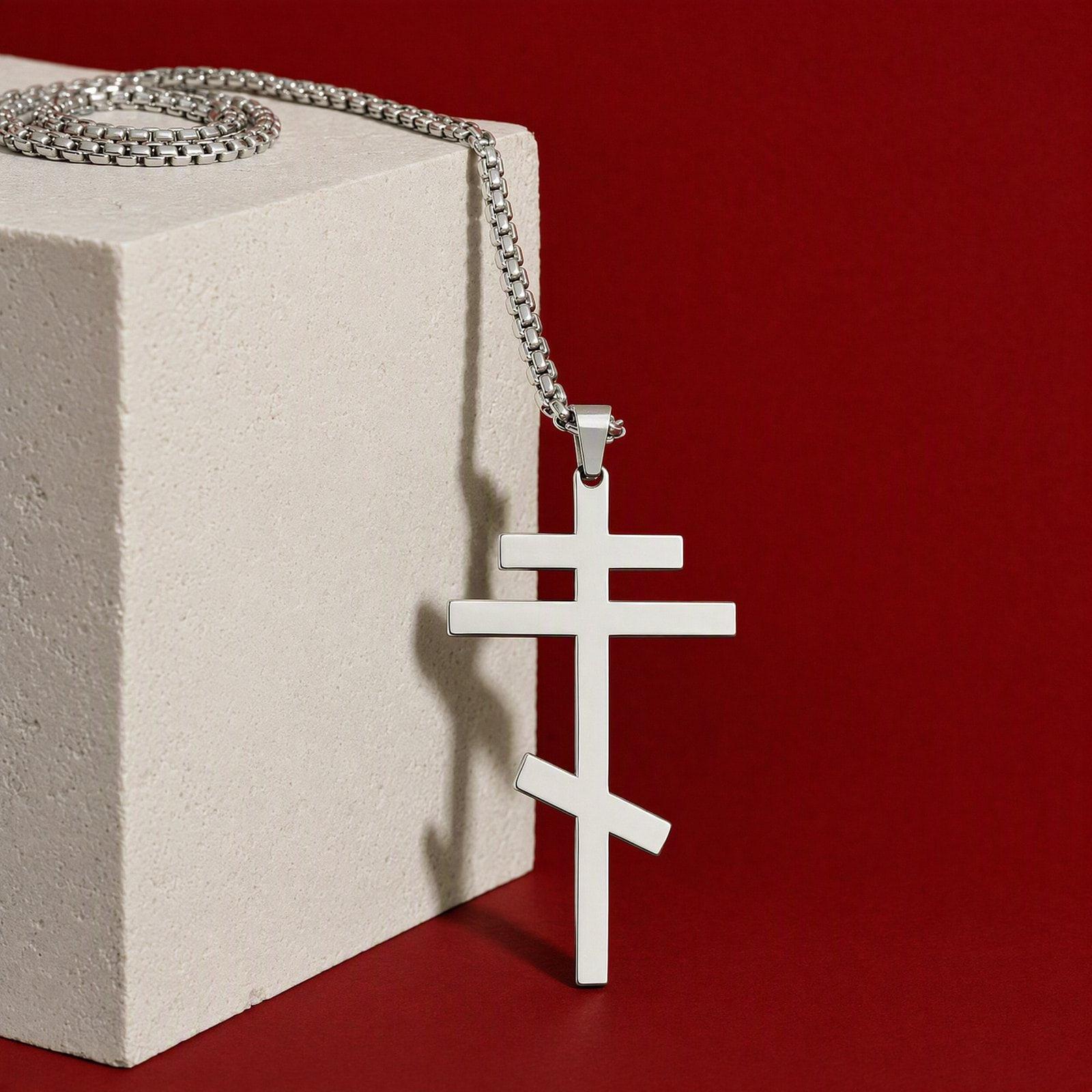 Krst
Three-Bar Bright
srebrna boja · lančić 60cm · nerđajući čelik$92$64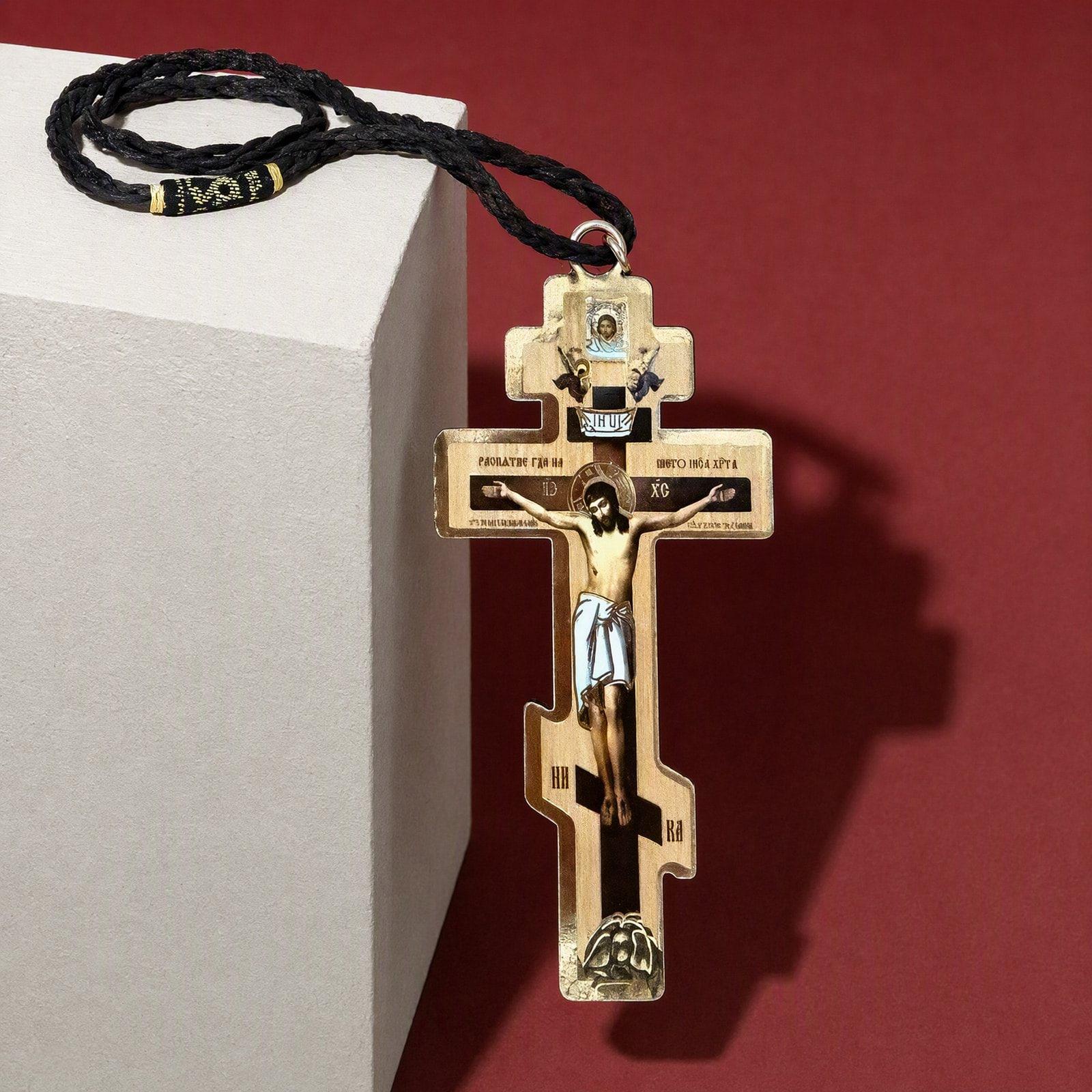 Drveni krst
Wayfarer Cross
drveni 10cm$63$44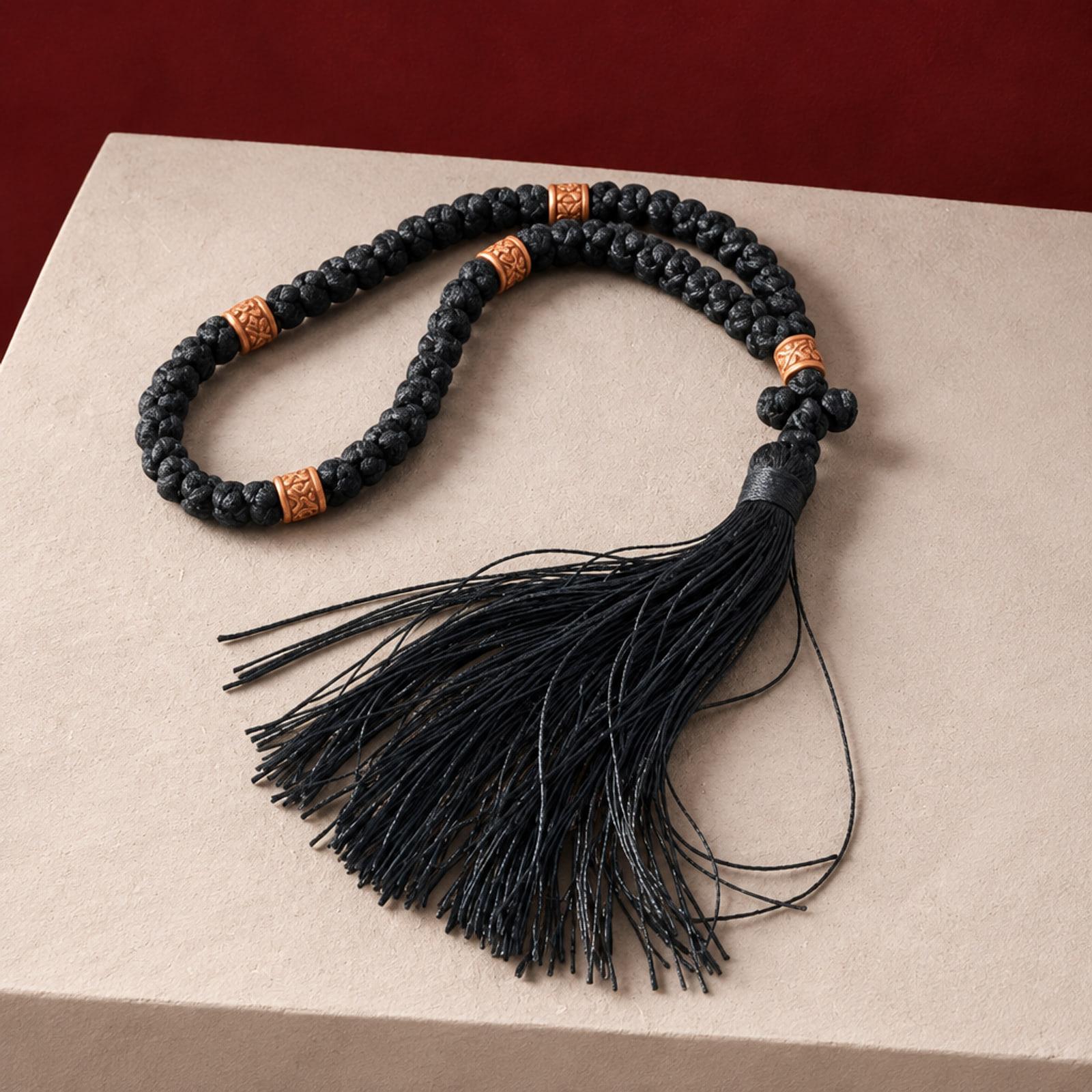 Brojanica
Pravoslavna brojanica (čotki, komboskini)
crna · vunena, 50 čvorova$49$34
- Blessing, from $39. Blessed by an Orthodox priest before it ships.
- Gift packaging, $20
Questions
How do I pray for protection?
Ask plainly in your own words, pray a psalm such as Psalm 91 or Psalm 121, cross yourself, pray the Lord’s Prayer and close with Thy will be done.
Which psalm is prayed for protection?
Psalm 91 is called a psalm of protection, and Psalm 121 speaks of help from the LORD. Orthodox worship numbers the first of these Psalm 90.
Does the Church say a prayer will keep harm away?
The sources describe asking and trusting God, and saying Thy will be done. They describe prayer as a request, not a bargain.
Should I make the sign of the cross?
Orthodox Christians trace the cross at the start and the close of a prayer and at the names of the Holy Trinity.