Orthodox cassock: inner and outer, who wears one, and how to choose
Not in our store todayWe do not carry Orthodox cassocks today. Below: the kinds of cassock, who may wear one, how to measure for one, and the items we carry for clergy and readers.
An Orthodox cassock is the long, close-fitting black robe worn by Orthodox clergy and monastics, and by readers and chanters with a blessing. There are two: the inner cassock, fitted with narrow sleeves, worn every day, and the outer cassock, with wide sleeves, worn over it in church and on formal occasions.
We do not sell cassocks today. This page explains the kinds, the Greek and Slavic cuts, who may wear a cassock, and how to measure for one wherever you order it, and shows the books, prayer rope and censer we carry for clergy and readers.
What an Orthodox cassock is
The cassock is the everyday dress of the Orthodox clergy and of monks and nuns: a long robe, almost always black, that reaches from the neck to the shoes. It is not a vestment for the altar. Vestments are put on over the cassock for services and taken off afterward; the cassock is worn in church, at home, in the parish hall and in the street.
Its plainness is the point. A black robe sets aside fashion and personal taste and marks a life given to the Church. Read more on what Orthodox priests wear.
Inner and outer cassock
| Inner cassock | Outer cassock | |
|---|---|---|
| Greek name | Anteri | Rason or exorason |
| Shape | Fitted to the body, narrow sleeves | Loose, with wide, flowing sleeves |
| Worn | Every day, and under the vestments | Over the inner cassock, in church and on formal occasions |
| Who | Clergy, monastics, and readers or chanters with a blessing | Mainly priests, deacons, bishops and tonsured monastics |
| Fabric | Lighter, since it is worn all day | Often heavier, for its drape |
Most priests own several inner cassocks for daily wear and one or two outer cassocks. A belt is often worn with the inner cassock, and monastics wear a leather belt.
Greek and Slavic cuts
Orthodox cassocks come in two main cuts, and a parish usually follows the custom of its own tradition.
- Greek cut: the inner cassock usually buttons down the center of the front, often with a small standing collar.
- Slavic cut: the inner cassock usually fastens at the side rather than down the center.
In both, the outer cassock is a full robe with wide sleeves, worn open or loosely closed over the inner one.
Neither is more correct. A priest in a Greek or Antiochian parish usually wears the Greek cut; Serbian, Romanian and other Slavic or Eastern European parishes have their own forms. If you are ordering a cassock as a gift, ask which cut the person wears.
Who may wear a cassock
A cassock is given, not chosen. Bishops, priests, deacons, monks and nuns wear it as part of their calling. Below them, subdeacons, readers and chanters often wear an inner cassock in church once they have been tonsured or given a blessing by their bishop or priest, and many seminaries ask their students to wear one.
Altar servers in many American parishes wear a robe called the sticharion in the altar, not a cassock. A lay person who would like to wear a cassock in church should ask their priest first.
Measuring, fabric and care
Wherever you order a cassock, the maker will ask for measurements. Take them over the clothes that will be worn underneath:
- Height, and the length from the back of the neck to the top of the shoe.
- Chest and waist, measured at the fullest point.
- Shoulder width and sleeve length, from the shoulder seam to the wrist bone.
For fabric, wool or a wool blend keeps its shape and suits cold churches; lighter blends of cotton, linen or polyester suit summer and travel. A good cassock has strong seams at the shoulders and generous hems, since it is worn every day.
Hang it on a wide hanger so the shoulders keep their shape, brush it after wear, and follow the maker’s washing instructions. Most wool cassocks should be dry-cleaned.
What we carry for clergy and readers
We do not carry cassocks or vestments today. These are our closest items, used every day by those who wear one, and fitting gifts for a priest, deacon or reader; see also our gifts for a priest.
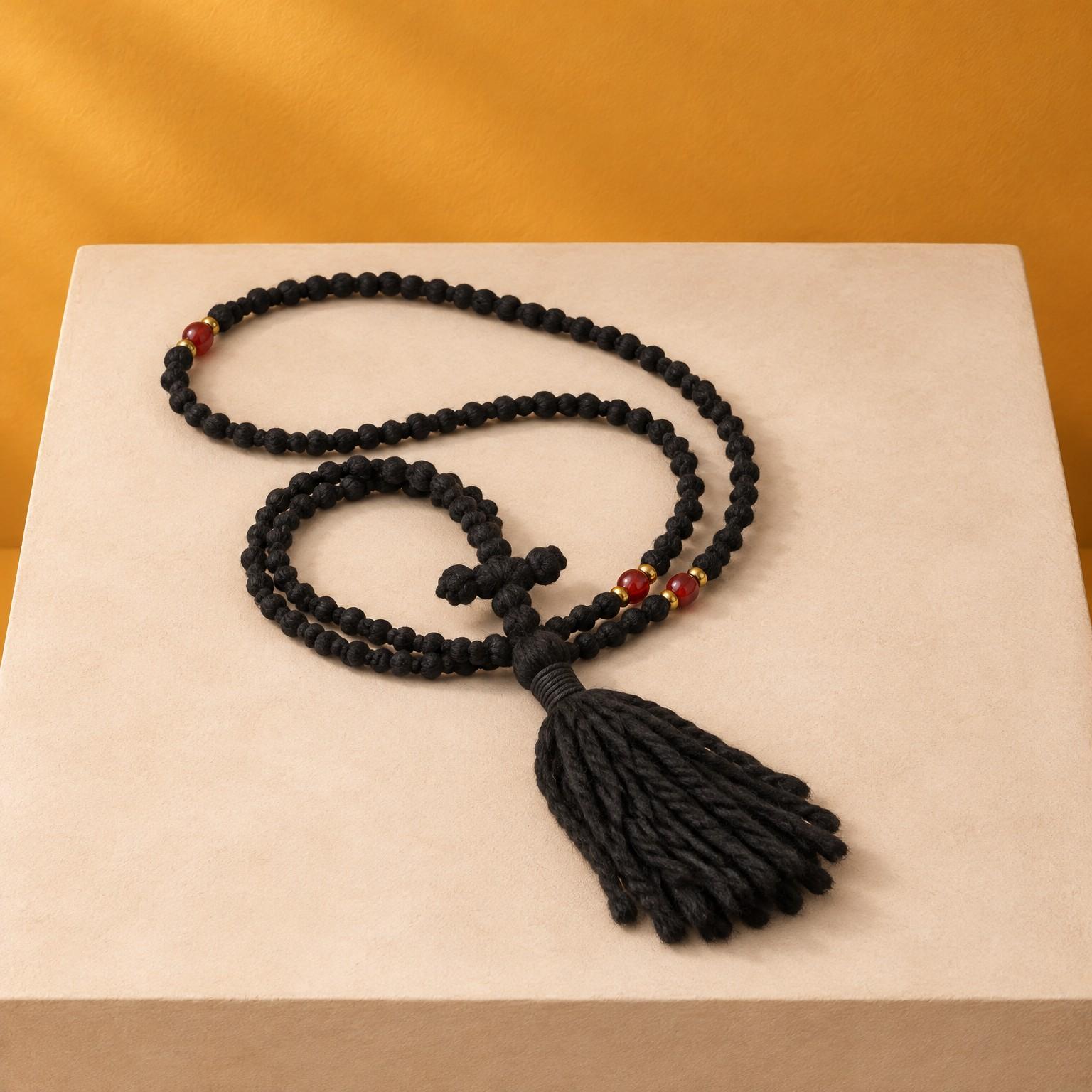
- 100-knot wool prayer rope with tassel ($79): black wool with a cross knot and small red beads; read our 100-knot prayer rope guide.
- The Holy Apostle, 5 x 7.5 in ($129): the Acts and the Epistles marked for the Church year, the book a reader reads from at the Liturgy.
- Orthodox Lectionary Bible, leather bound ($169): every reading of the year in the order it is read.
- Deluxe brass incense burner ($94): a censer with a cross on its lid, 6 in tall, for home blessings and prayer; see our gold censer guide.
- Orthodox pocket prayer book ($79): the daily prayers and services in a 4.5 x 6.5 in hardcover.
Orders arrive in 5–8 business days: US-based, ships from Florida.
Our closest items
A 100-knot wool prayer rope, the Epistle book and the Lectionary Bible a reader uses, a brass censer, and a pocket prayer book: gifts for a priest, a deacon or a reader. Each card shows its live price.
 Metanier
 ortodox komboskini
Negru · Lână, 100 de noduri cu ciucure$113$79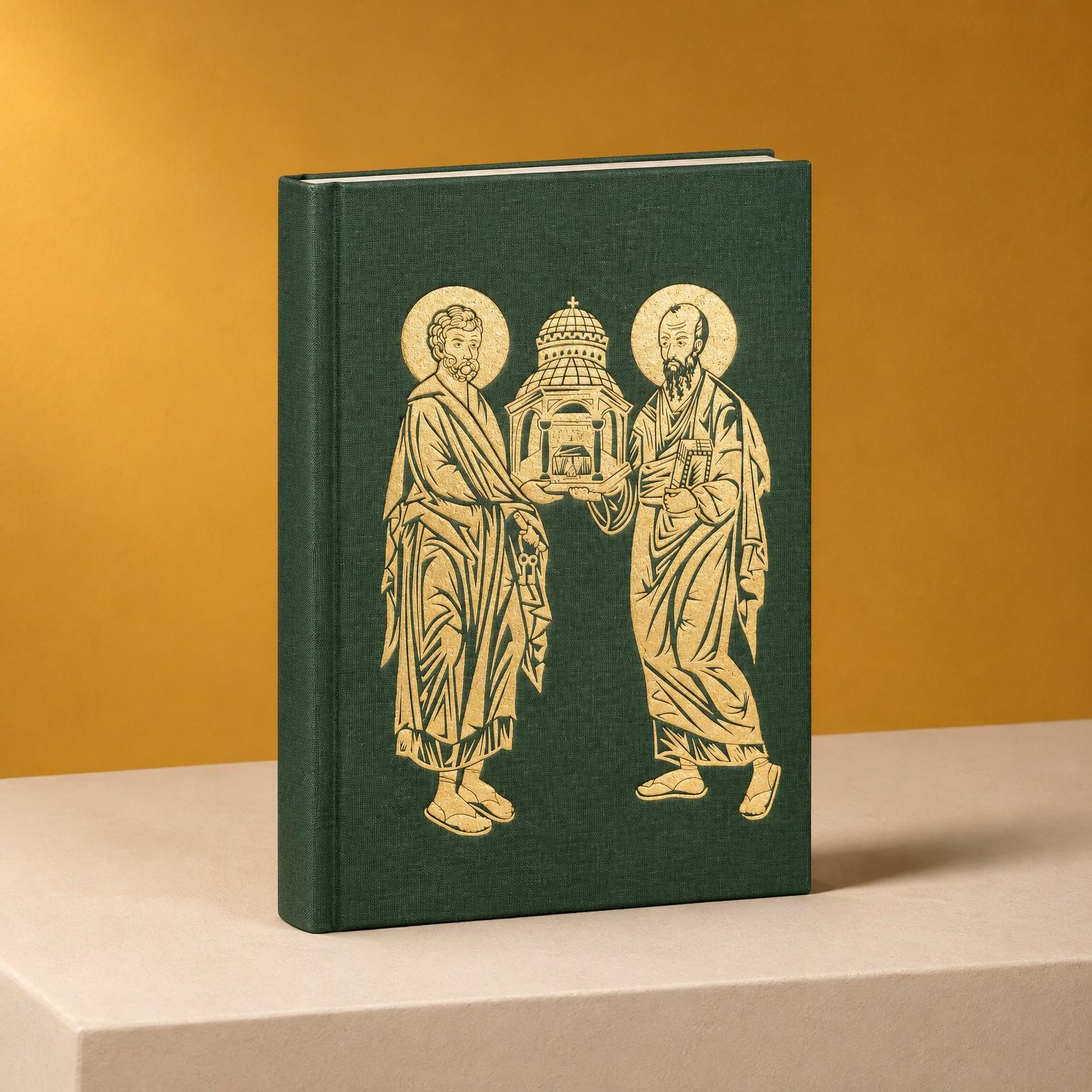 Carte sau cartonașe
Apostolul ortodox
carte de citiri 5x7.5 in$185$129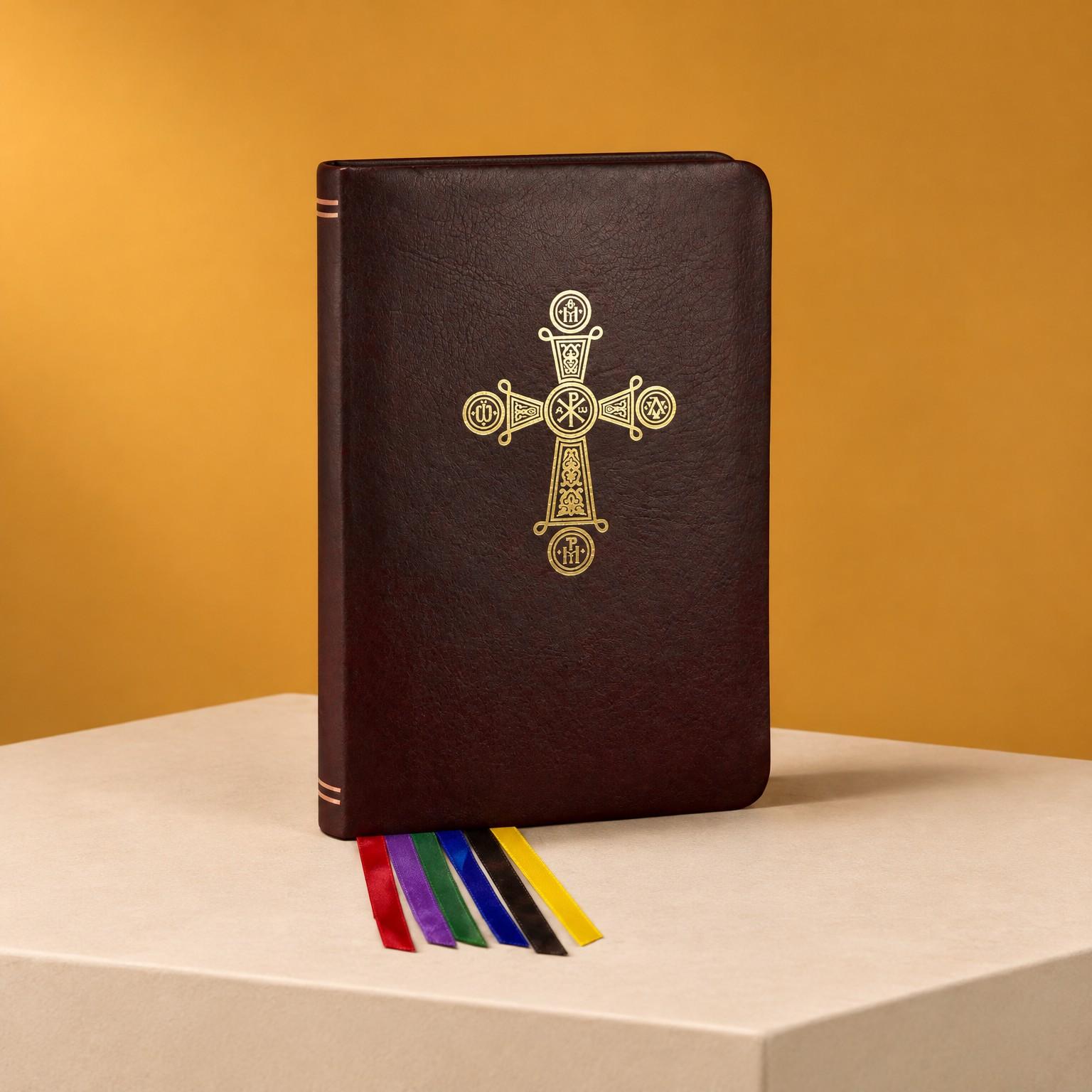 Carte sau cartonașe
Biblie ortodoxă cu lecturi
legată în piele 4.75x7 in$242$169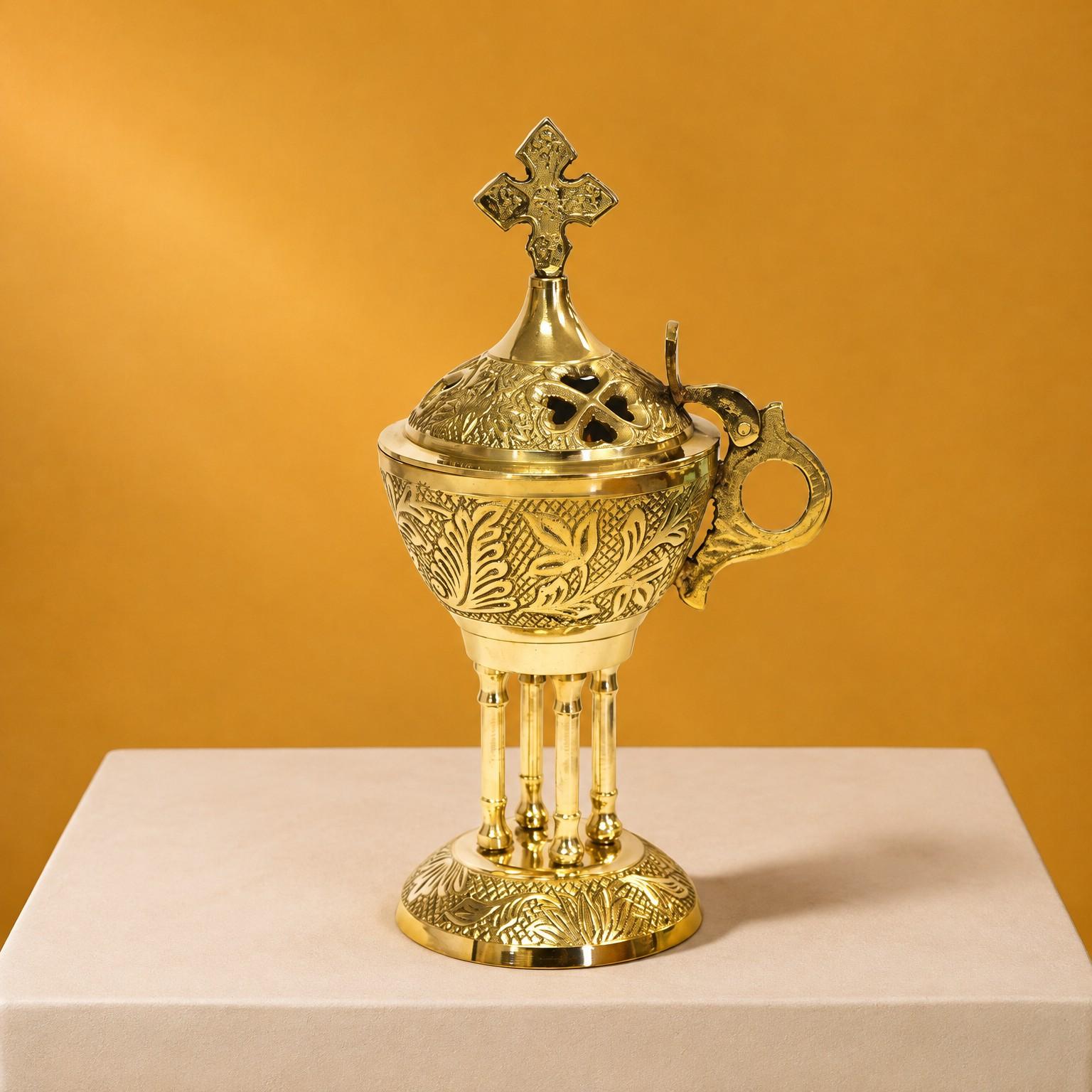 Tămâie
Cădelniță ortodoxă de lux din alamă
$135$94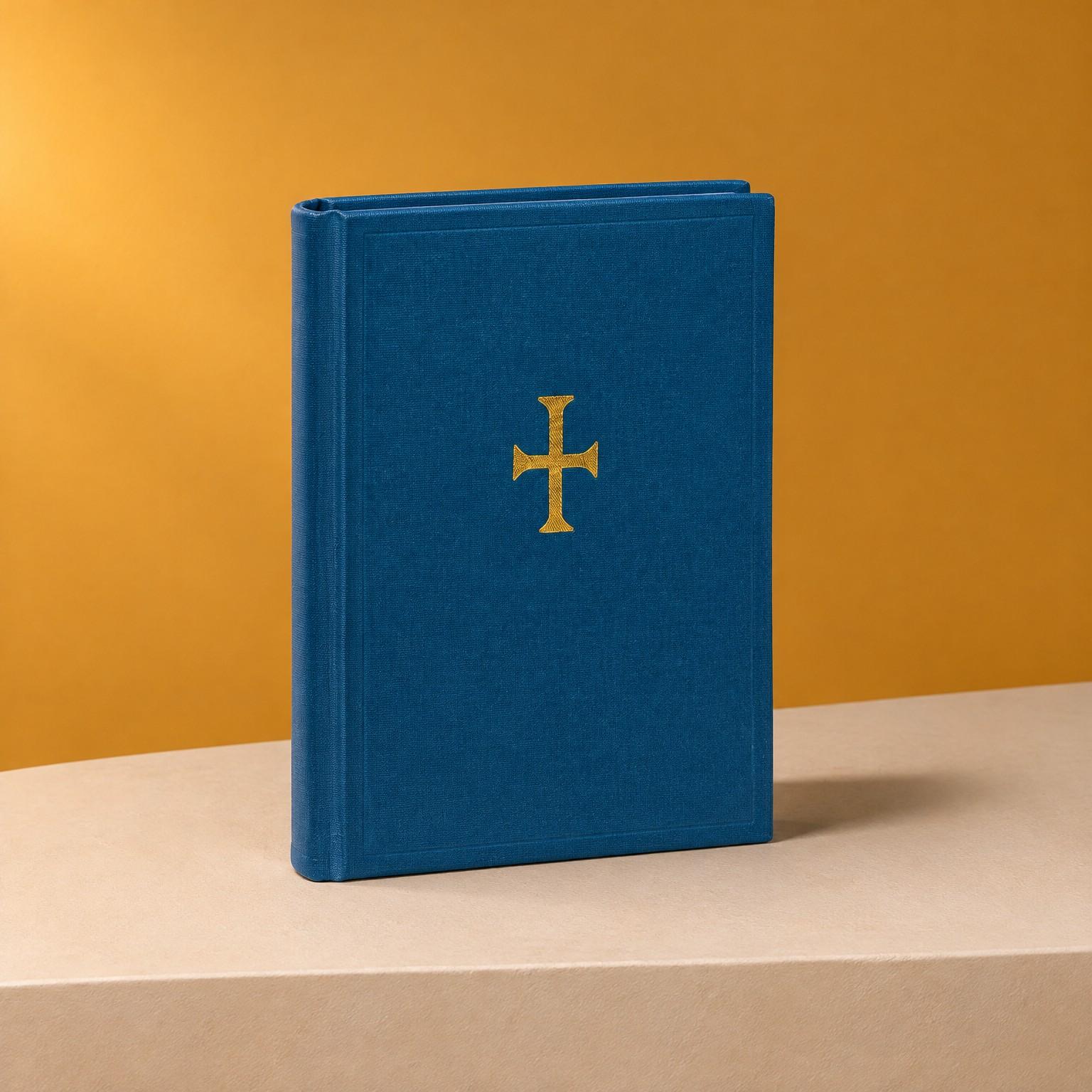 Carte sau cartonașe
Carte de rugăciuni ortodoxă de buzunar 4.5x6.5 in
$113$79
CU SEDIUL ÎN SUA. EXPEDIERE DIN FLORIDA
Delivery in 5–8 business days.
Want us to stock it?
We don't carry an Orthodox cassock today. Leave your email and we will write once if we stock it.
Questions
Do you sell Orthodox cassocks?
Not today. We carry items clergy and readers use with the cassock: a 100-knot prayer rope, The Holy Apostle, the Lectionary Bible, a brass censer and a pocket prayer book. Leave your email on this page and we will write once if we stock cassocks.
What is the difference between an inner and an outer cassock?
The inner cassock is fitted, with narrow sleeves, and is worn every day and under the vestments. The outer cassock is a looser robe with wide, flowing sleeves, worn over the inner cassock in church, at services outside the altar and on formal occasions.
Can a lay person wear an Orthodox cassock?
Only with a blessing. Readers, chanters, subdeacons and seminarians often wear an inner cassock with the blessing of their bishop or priest. A lay person should not wear one on their own; ask your priest first.
What color is an Orthodox cassock?
Black is the usual color for clergy and monastics. In some places clergy also wear grey, blue, brown or another color by local custom. Ask the priest or the parish which color is worn there.
How do I measure for a cassock?
You need your height, chest, waist, shoulder width and sleeve length, measured over the clothes you will wear underneath. The length should reach the top of the shoe. Most makers ask for height and chest at least, and many make cassocks to measure.
What does an Orthodox priest wear besides the cassock?
Over the cassock a priest wears a pectoral cross and, in many traditions, a cylindrical hat. For services he puts on the vestments: the long robe, the stole around the neck, the belt, the cuffs and the outer chasuble called the phelonion.