The Philokalia: what it is, which edition to read, and where to start
Not in our store todayWe do not carry the Philokalia today. Below: what it is, which English edition to look for, where to begin, and the prayer books and prayer ropes we carry.
The Philokalia is a collection of writings on prayer and the inner life by Orthodox saints and teachers from the fourth to the fifteenth century. It was gathered by St Nikodemos of the Holy Mountain and St Makarios of Corinth and first printed in Greek in Venice in 1782. Its name means “love of the beautiful” or “love of the good”. Its central subject is watchfulness of the heart and the Jesus Prayer.
We do not sell the Philokalia today. This page explains what is in it, which English edition to look for, and how to begin, and shows the prayer books and prayer ropes we carry.
What the Philokalia is
The Philokalia is not one book by one author but a library in a few volumes. In the eighteenth century a monk of Mount Athos, St Nikodemos of the Holy Mountain, and a Greek bishop, St Makarios of Corinth, gathered the writings of Orthodox teachers on prayer and the inner life, from the desert fathers of the fourth century to the hesychasts of the fourteenth and fifteenth. They published the collection in Greek in Venice in 1782.
Its full title calls it the Philokalia of the holy watchful fathers. “Watchful” is the key word: the whole collection is about attention, keeping watch over the heart and its thoughts so that a person can pray with the mind in the heart. That is why the Philokalia is so closely tied to the Jesus Prayer, “Lord Jesus Christ, Son of God, have mercy on me, a sinner.” Read where the Jesus Prayer came from.
What it teaches
The texts differ in style, from short sayings to long treatises, but they return to a few themes:
- Watchfulness: noticing thoughts as they arise and not letting them settle.
- Guarding the heart: keeping the inner life clear of what pulls it away from God.
- The passions: how pride, anger, greed and the rest take hold, and how they are fought.
- Stillness (hesychia): the quiet in which prayer becomes possible.
- Unceasing prayer: praying always, as St Paul asks, above all with the Jesus Prayer.
Among its authors are St Mark the Ascetic, St Hesychios the Priest, St Diadochos of Photiki, St Maximos the Confessor, St Symeon the New Theologian, St Gregory of Sinai and St Gregory Palamas.
Which English edition to look for
| Edition | What it is | Good for |
|---|---|---|
| The standard translation | Translated from the Greek by G. E. H. Palmer, Philip Sherrard and Kallistos Ware, in several volumes | Serious, long-term reading |
| A single volume of it | One volume of the full set, each covering a span of authors | Starting with one period or author |
| A selection | Shorter anthologies of texts on the prayer of the heart | A first taste; reading with a beginner |
Check the translator before you buy, since older anthologies were made from other translations and use different wording. The full set is best bought volume by volume, as you read, rather than all at once.
How to begin reading it
The Philokalia rewards slow reading. A page a day, read before evening prayers, goes further than a chapter skimmed. Many priests suggest a path like this:
- The Gospels and a prayer book first, with a steady daily rule of prayer.
- The lives of a few saints, to see the teaching lived.
- A short selection from the Philokalia on prayer of the heart.
- Then a single volume, read with your priest or spiritual father.
Much of the Philokalia was written by monks for monks, and some of its advice on prayer methods assumes a teacher. It is a book to read alongside a life of prayer and confession, not instead of one.
The Philokalia and the prayer rope
Readers of the Philokalia often pick up a prayer rope for the first time, because the book describes praying the Jesus Prayer again and again until it becomes part of a person. The rope keeps the count so the mind can stay on the words. A 100 knot prayer rope is the usual rope for a daily rule; a 33 knot prayer rope is small enough for a wrist or a pocket. Our answer on how to pray the Jesus Prayer explains the prayer itself.
What we carry instead
We do not carry the Philokalia today. These are our closest items:
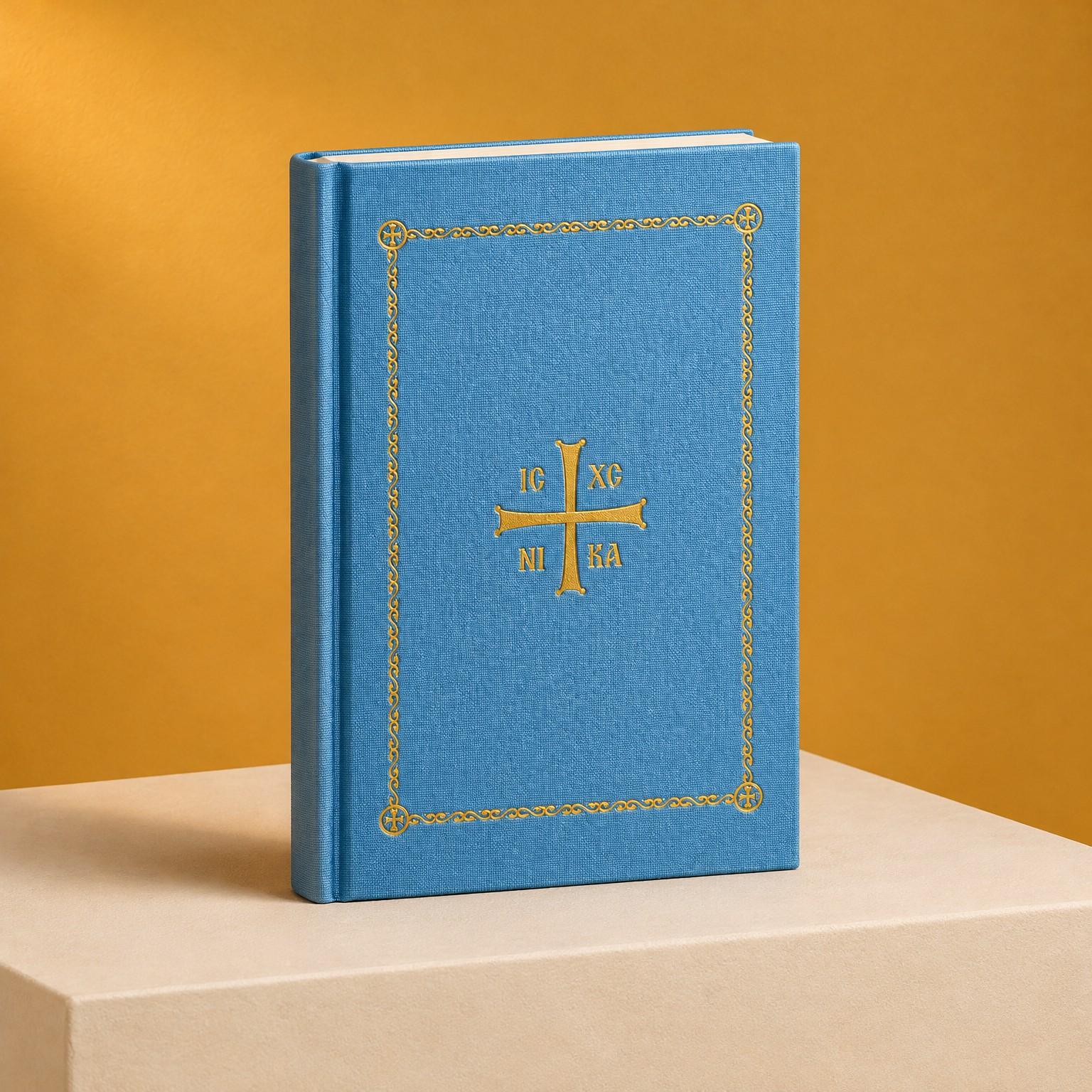
- Orthodox Christian prayer book, 4 x 6 in, with gold lettering ($74): the daily prayers in modern English, closing with two works of St Nikodemos the Hagiorite, one of the two compilers of the Philokalia. One is a set of prayers to Christ composed like an Akathist; the other, Safeguard for the Soul, gives thirty days of readings on spiritual watchfulness.
- Orthodox pocket prayer book, 4.5 x 6.5 in ($79): the daily prayers and services in traditional English; see our pocket prayer book guide.
- Black wool prayer rope, 100 knots, with tassel ($79) and black wool prayer rope, 50 knots ($34), for the Jesus Prayer.
- Orthodox Lectionary Bible, leather bound ($169), for reading the Scriptures with the Church every day.
Orders arrive in 5–8 business days: US-based, ships from Florida.
Our closest items
A prayer book that closes with two works of St Nikodemos, one of the Philokalia’s compilers, a pocket prayer book, two wool prayer ropes for the Jesus Prayer, and the Lectionary Bible. Each card shows its live price.
 Βιβλίο ή κάρτες
Ορθόδοξο Χριστιανικό Προσευχητάριο
4x6 in με Χρυσά Γράμματα$106$74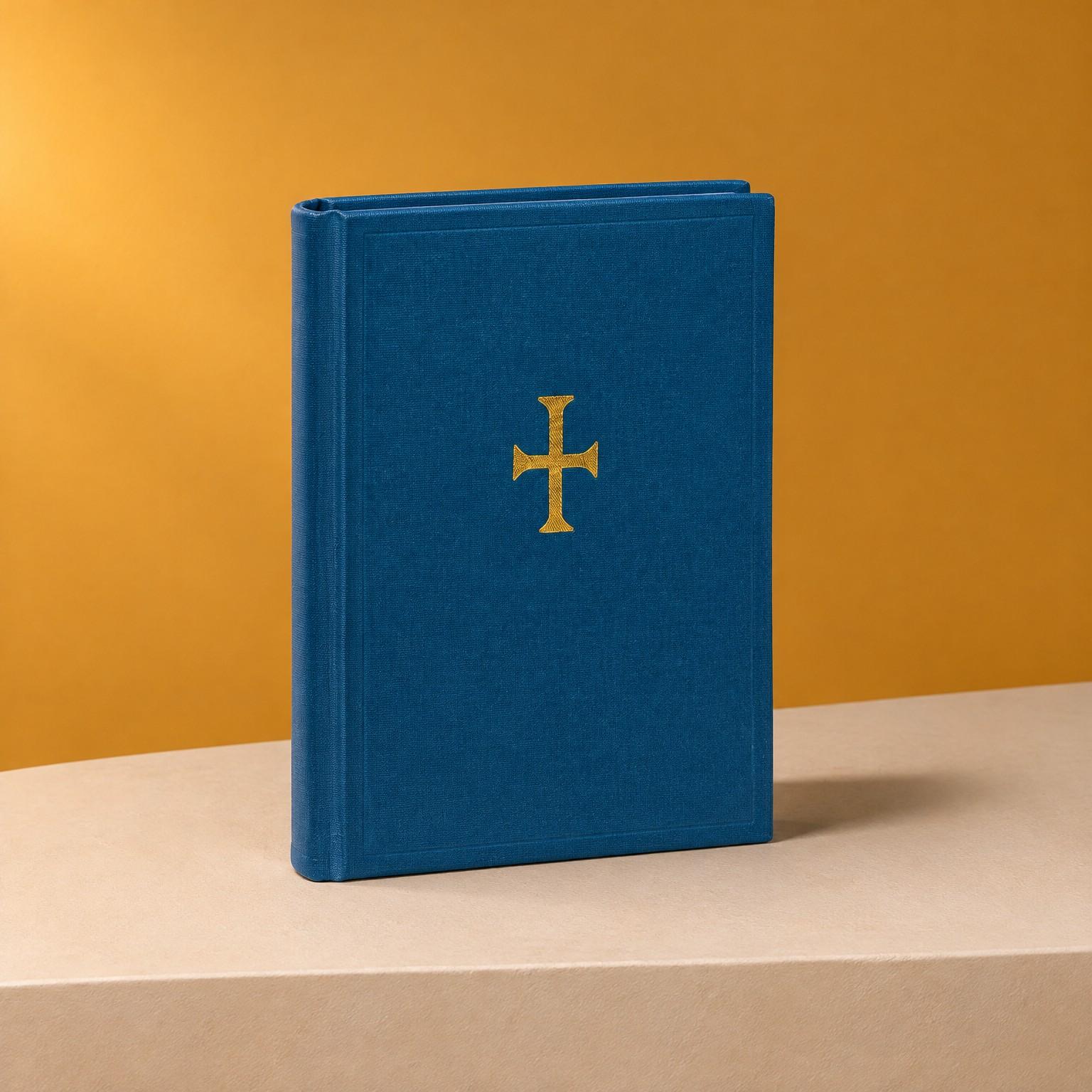 Βιβλίο ή κάρτες
Ορθόδοξο Προσευχητάριο Τσέπης 4.5x6.5 in
$113$79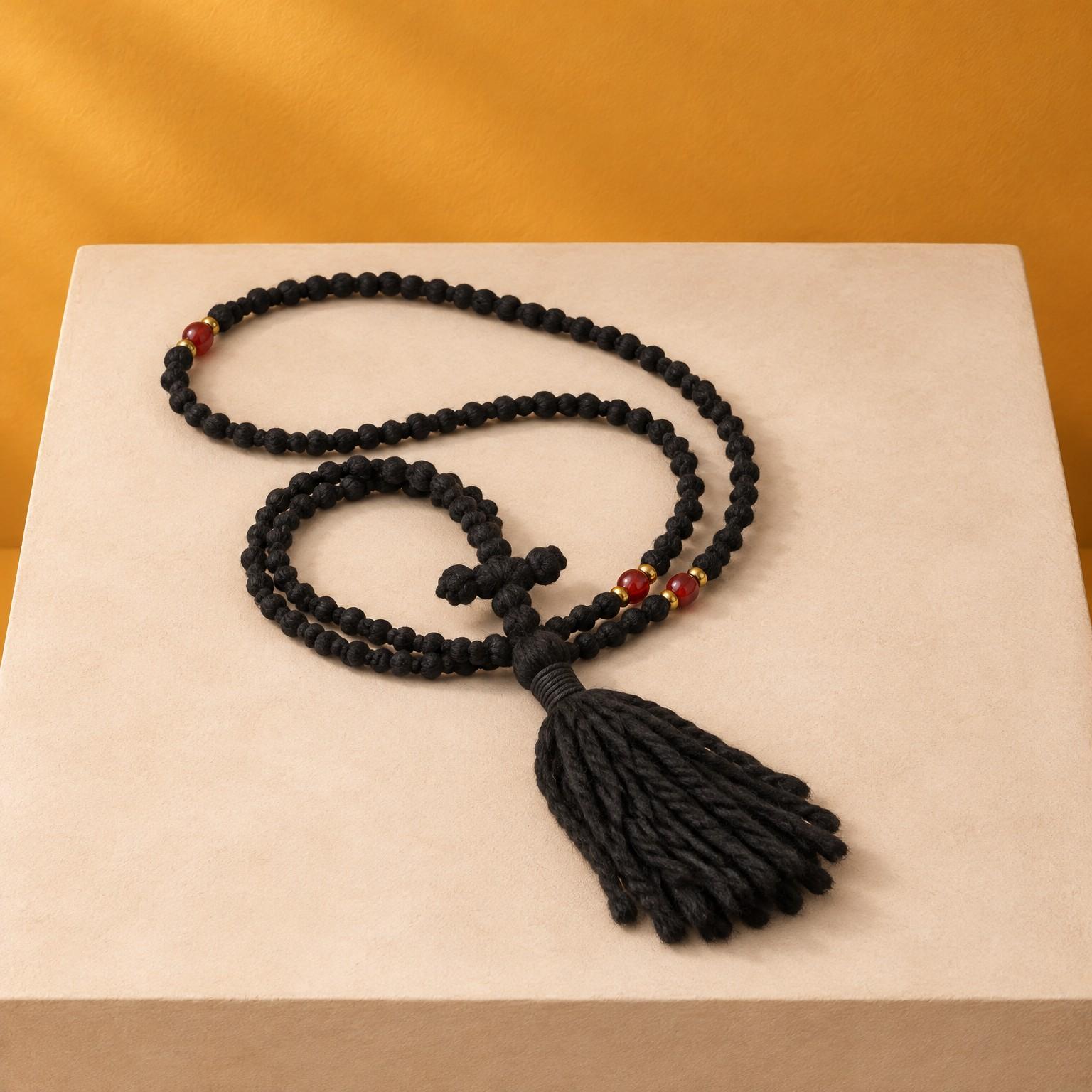 Κομποσχοίνι
Ορθόδοξο κομποσχοίνι
Μαύρο · Μάλλινο με 100 κόμπους και φούντα$113$79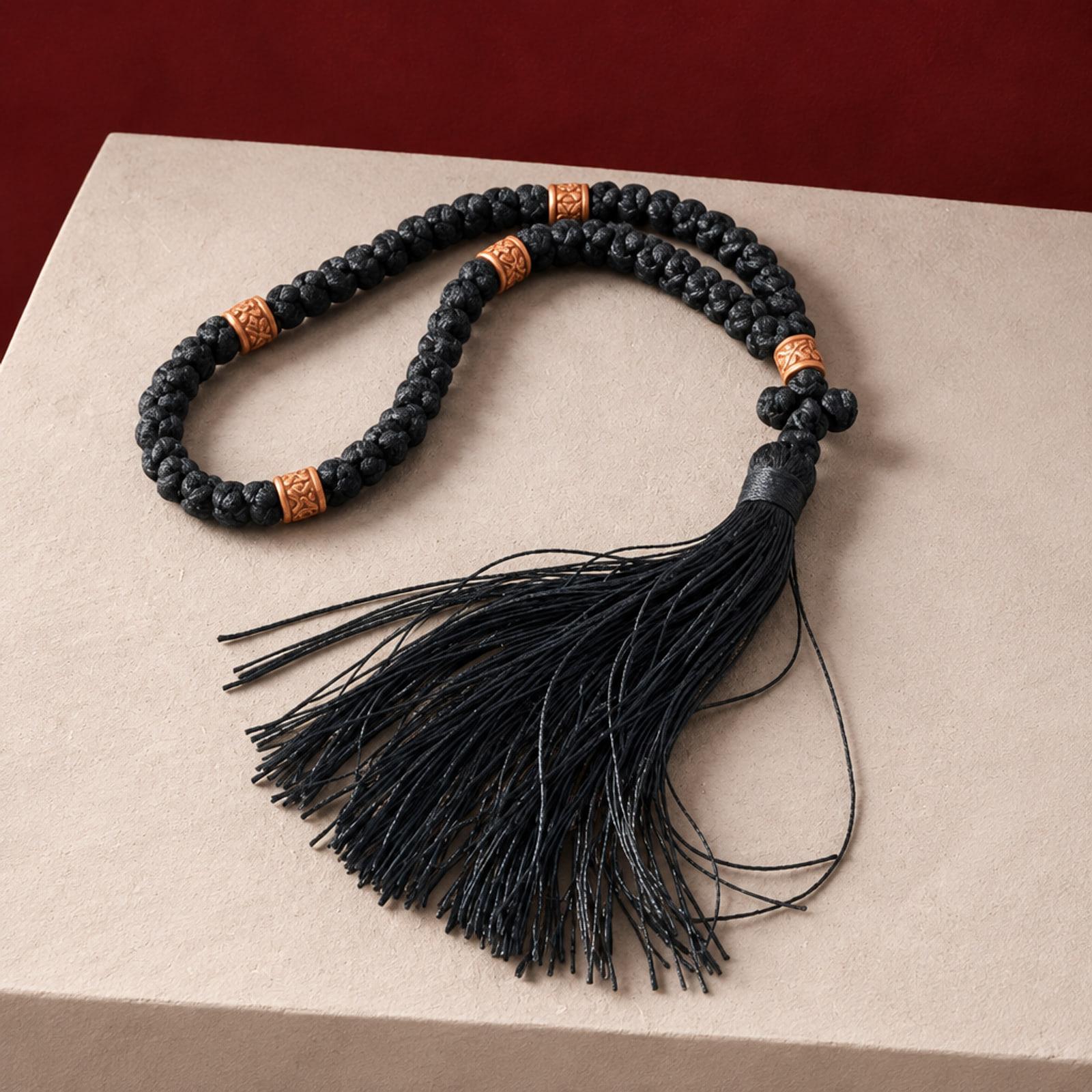 Κομποσχοίνι
Ορθόδοξο μάλλινο κομποσχοίνι 50 κόμπων
Μαύρο χρώμα$49$34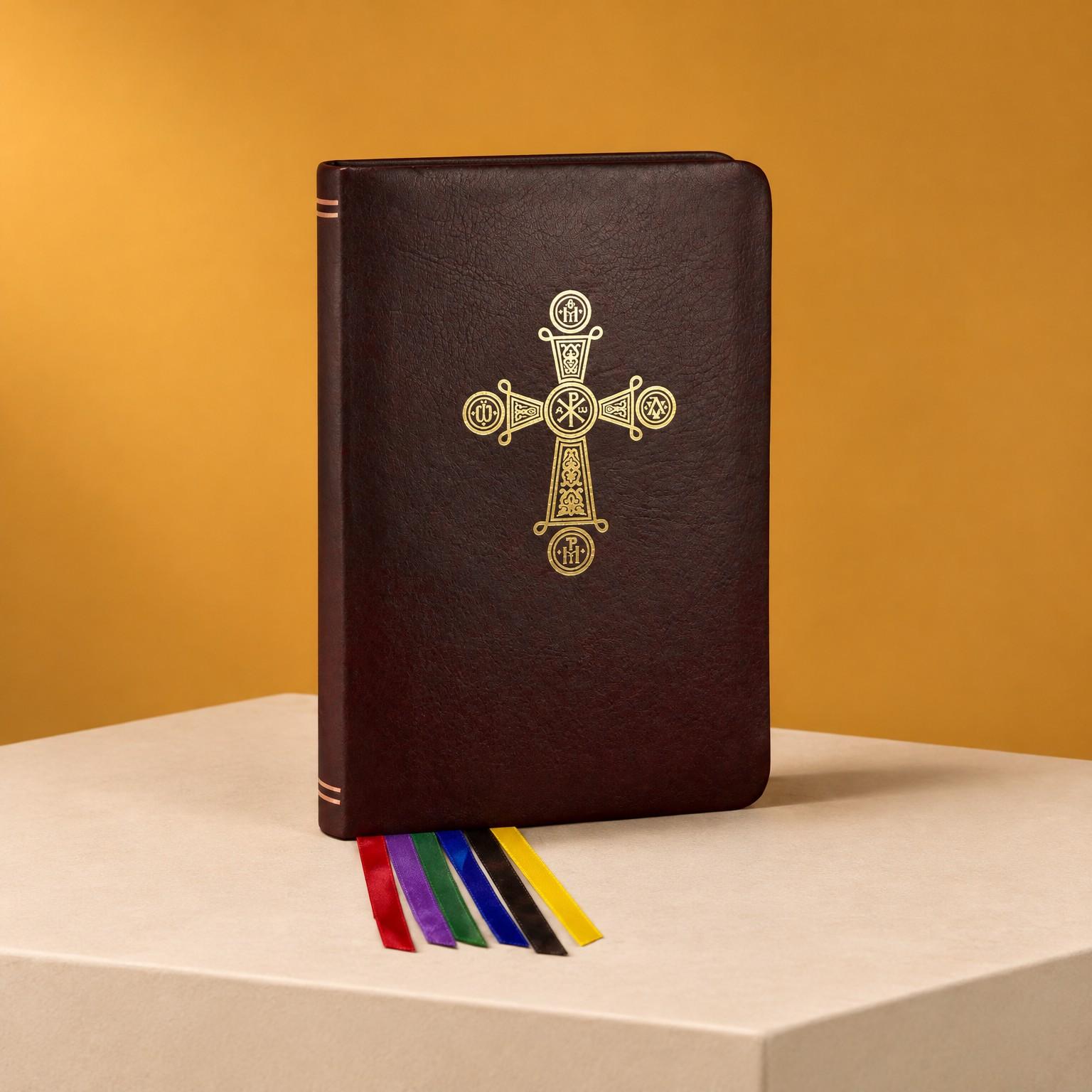 Βιβλίο ή κάρτες
Ορθόδοξη Βίβλος-Αναγνωσματάριο
Δερματόδετη 4.75x7 in$242$169
ΜΕ ΕΔΡΑ ΣΤΙΣ ΗΠΑ. ΑΠΟΣΤΟΛΗ ΑΠΟ ΤΗ ΦΛΟΡΙΝΤΑ
Delivery in 5–8 business days.
Want us to stock it?
We don't carry the Philokalia today. Leave your email and we will write once if we stock it.
Questions
Do you sell the Philokalia?
Not today. We carry prayer books and prayer ropes for the Jesus Prayer the Philokalia teaches, including a prayer book with two works of St Nikodemos, one of its compilers. Leave your email on this page and we will write once if we stock it.
Who wrote the Philokalia?
Many authors. It gathers texts by many Orthodox saints and teachers, among them St Mark the Ascetic, St Diadochos of Photiki, St Maximos the Confessor, St Symeon the New Theologian, St Gregory of Sinai and St Gregory Palamas. St Nikodemos and St Makarios compiled it.
What is the Philokalia about?
It is about the inner life: watching over the thoughts, guarding the heart, fighting the passions, stillness, and unceasing prayer, above all the Jesus Prayer. It is practical rather than academic, written by people who lived what they taught.
Is there an English translation of the Philokalia?
Yes. The standard English translation from the Greek, by G. E. H. Palmer, Philip Sherrard and Kallistos Ware, is published in several volumes. Shorter selections on the prayer of the heart are also in print and are easier places to begin.
Should a beginner read the Philokalia?
Many priests suggest reading the Gospels, a prayer book and the lives of the saints first, then a short selection from the Philokalia, with guidance. Much of it was written for monks, and it is best read slowly alongside a life of prayer, not as a course.
What does the word Philokalia mean?
It is Greek for love of the beautiful or love of the good: the love of God, who is beauty and goodness itself, and of the life that leads to Him.