The Psalter: what it is, how the Orthodox Church prays it, and which edition
A psalter is the Book of Psalms printed on its own, arranged for prayer. The Orthodox Psalter follows the Greek Old Testament, the Septuagint: 150 Psalms plus a short Psalm 151, divided into 20 sections called kathismata so that the whole book is read through every week in church and in monasteries. Many lay people read a kathisma a day at home.
We do not carry a standalone Psalter today; our Lectionary Bible holds the complete Psalter. Below: how the Psalter is divided and numbered, how it is used, how to choose an edition, and the books we carry.
What the Psalter is
The Psalms are the prayer book of the Bible: songs of praise, lament, thanksgiving and repentance, many of them attributed to King David; see who wrote the Psalms. Jesus prayed them, the apostles quoted them, and the Church has sung them at every service since. A psalter is simply those Psalms printed on their own so they can be prayed in order.
In the West, psalters were the most common book of medieval lay people, and today they are printed for the Liturgy of the Hours and for the Book of Common Prayer. In the Orthodox Church the Psalter is one of the service books, and many Orthodox Christians keep their own copy by the icons. Read each Psalm on our Psalms pages.
How the Orthodox Psalter is arranged
| Part | What it is |
|---|---|
| 150 Psalms and Psalm 151 | The Septuagint text; Psalm 151, about David and Goliath, is printed after the rest |
| 20 kathismata | Sections of roughly equal length, read one or more at each service |
| 3 stases in each kathisma | Shorter parts, each ending with “Glory to the Father...” |
| Prayers and troparia | Said after each kathisma when reading at home |
| The biblical odes | Nine songs from Scripture, the base of the canons sung at Matins |
Because the Psalter follows the Greek numbering, most Psalms carry a number one lower than in an English Protestant or modern Catholic Bible. The great Psalm of repentance, “Have mercy on me, O God,” is Psalm 50 in the Psalter and Psalm 51 in most Bibles. The long Psalm read at funerals and on Saturdays is Psalm 118 in the Psalter, Psalm 119 elsewhere.
How the Psalter is used
- In church, the whole Psalter is read through every week at Vespers and Matins, and twice a week in Great Lent.
- At home, many people read a kathisma a day, which covers the Psalter in about three weeks, or choose Psalms for morning and evening.
- For the departed, family and friends read the Psalter beside the body before the funeral and through the forty days after, with a prayer for the dead between kathismata.
- In need, people turn to particular Psalms: Psalm 90 in the Psalter (91 elsewhere) for trust in God, Psalm 50 for repentance, Psalm 33 (34) for thanksgiving.
Choosing an edition
- Translation. An Orthodox Psalter is translated from the Septuagint. A Psalter from a general Bible follows the Hebrew text, so its numbering and some verses differ from what you hear in church.
- Language style. Some editions keep “thee” and “thou,” like the older prayer books; others use modern English. Pick the one that matches the prayer book you already use.
- The divisions. For reading at home, choose an edition that marks the kathismata and prints the prayers between them.
- Size. A pocket Psalter goes everywhere; a larger print is easier to read aloud by candlelight.
If you want the Psalms together with the Gospel and Epistle readings of the year, a lectionary does both; see also our guide to the Orthodox Study Bible.
What we carry
We do not carry a standalone Psalter today. These books hold the Psalms or go with them:
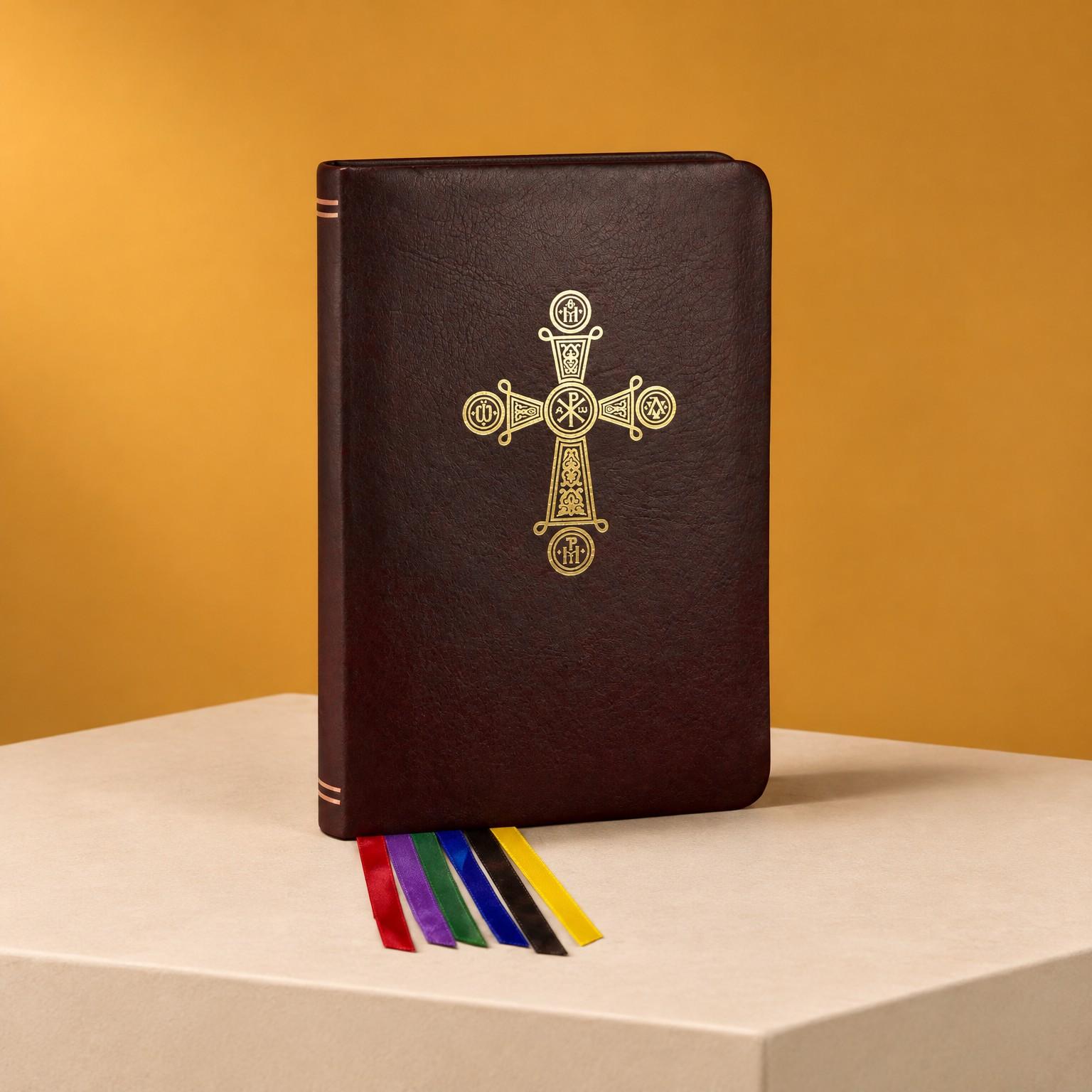
- Orthodox Lectionary Bible, leather bound, 4.75 x 7 in ($169): every reading of the church year in order from Pascha, with the complete Psalter; leather-bound softcover, sewn binding, six ribbon markers, red and black print.
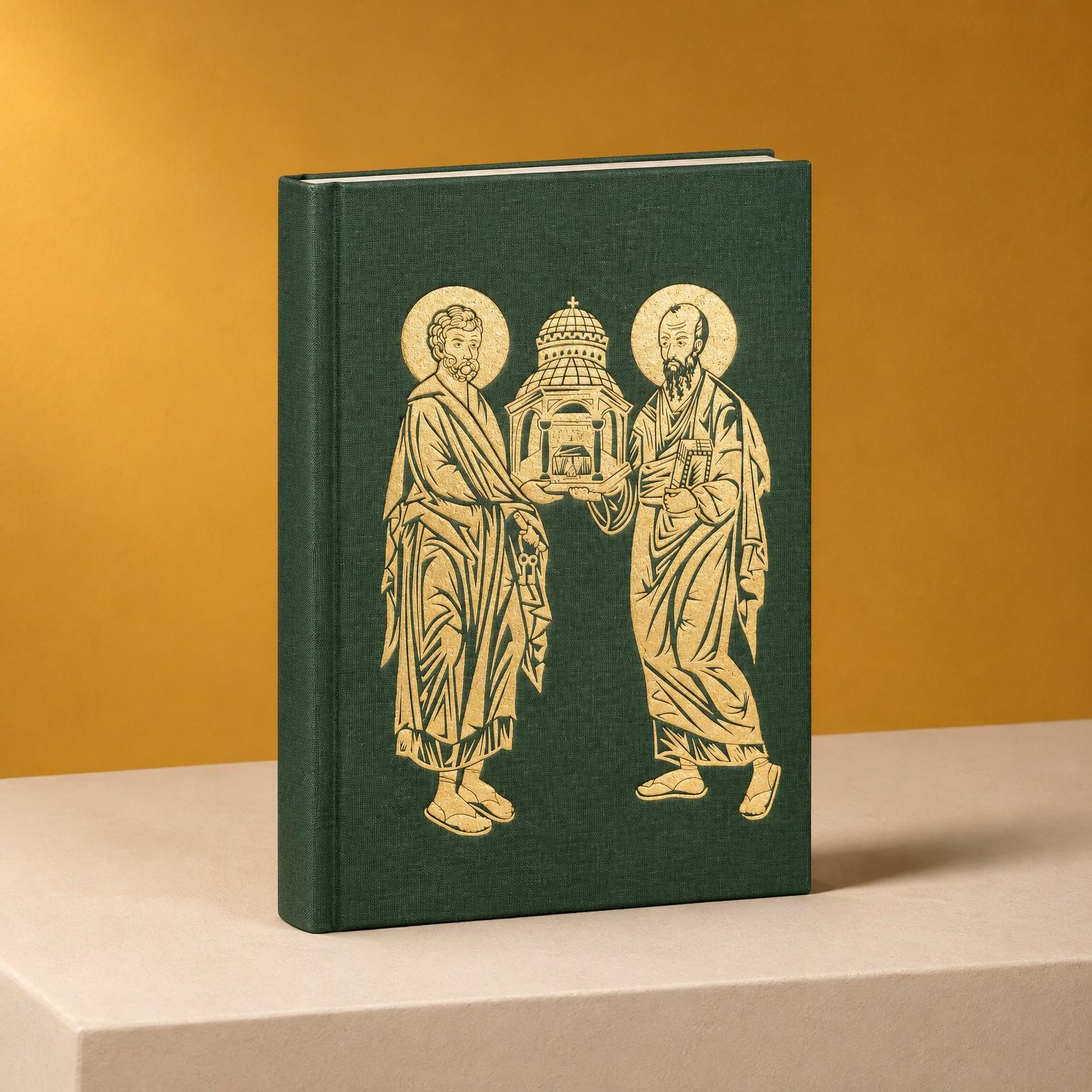
- The Holy Apostle, 5 x 7.5 in ($129): Acts and every Epistle marked for the Orthodox year, with a calendar that gives each day’s reading and its Psalm verses.
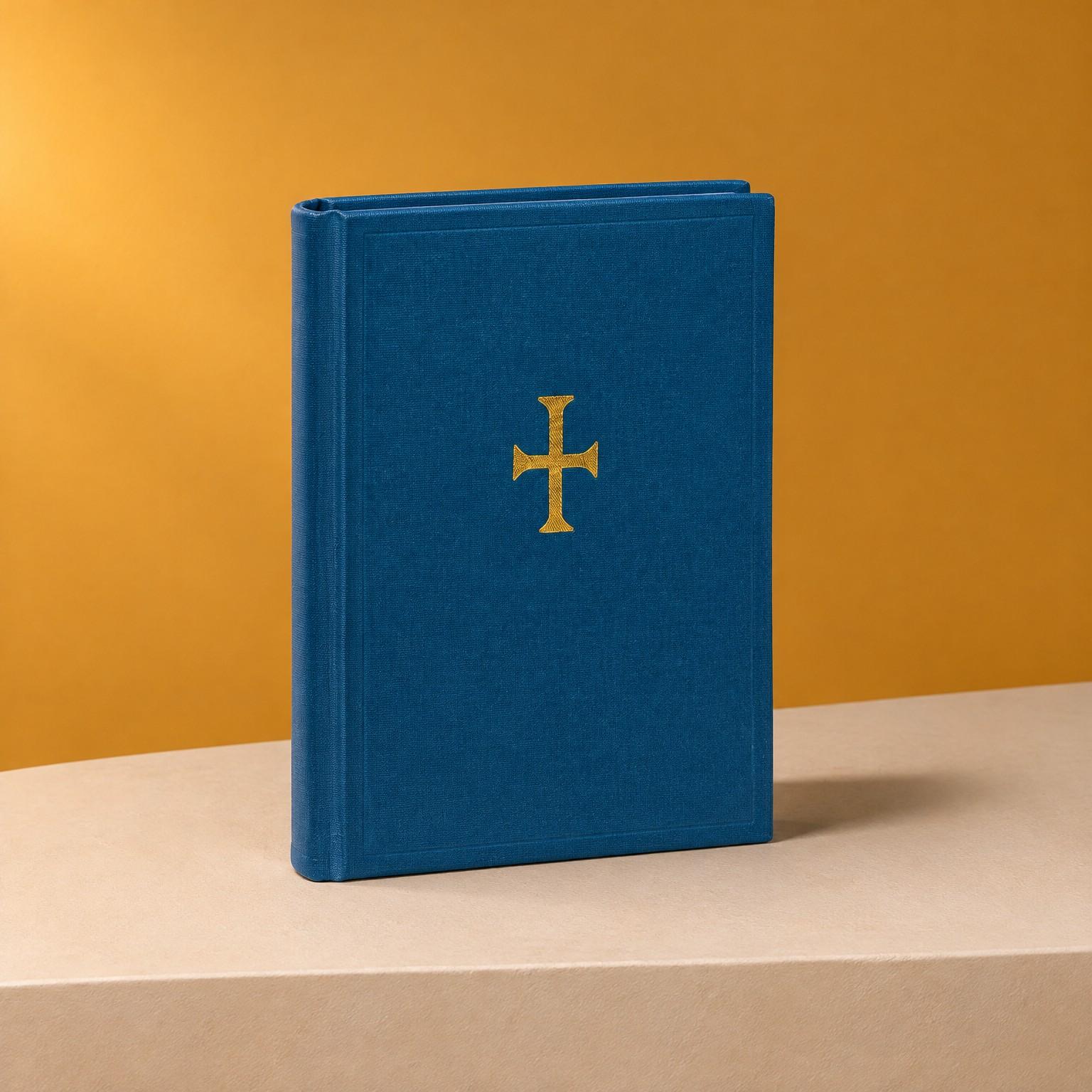
- Pocket prayer book, 4.5 x 6.5 in ($79): morning and evening prayers, Small Compline and the services in traditional English.
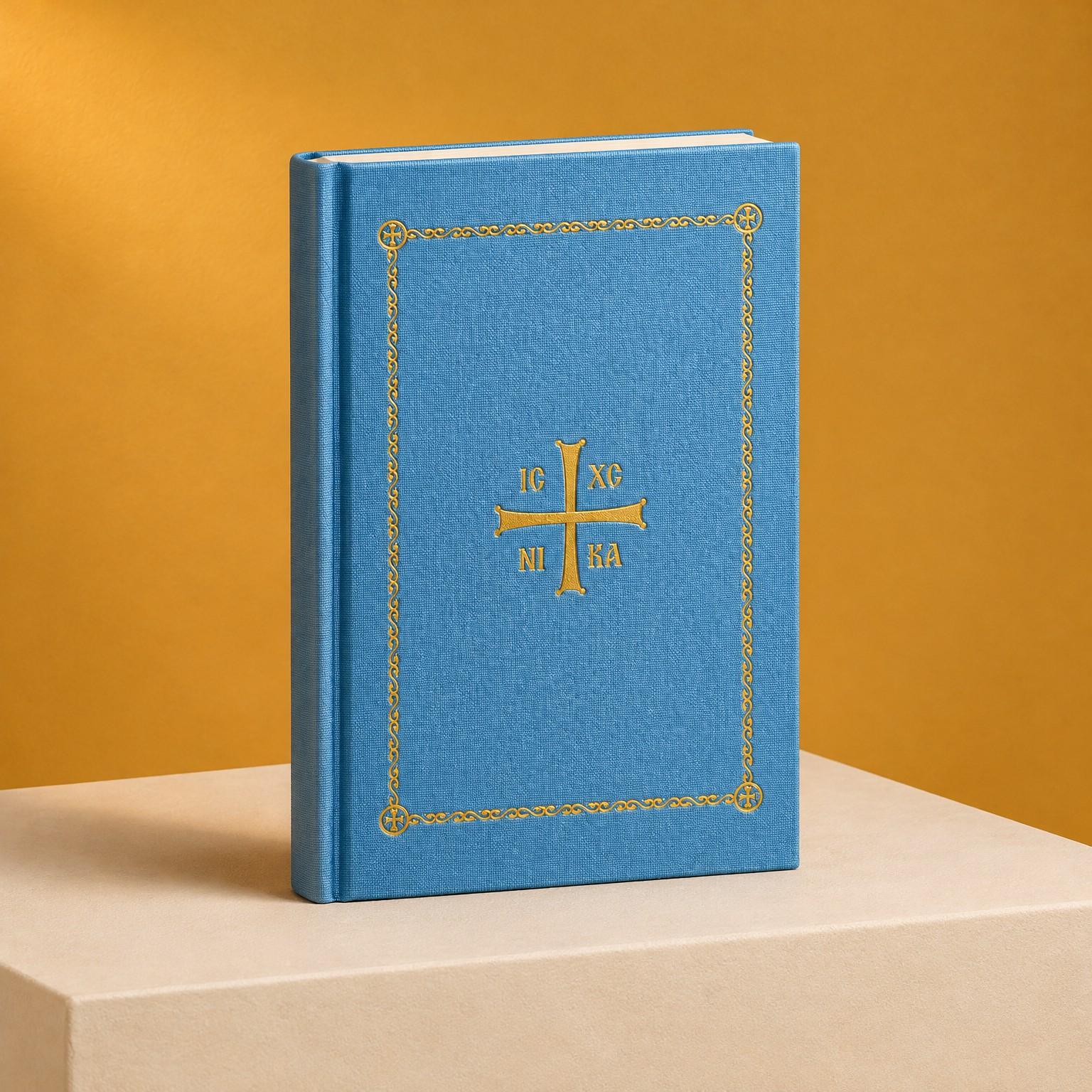
- Orthodox Christian prayer book, 4 x 6 in ($74): the daily prayers and services in modern English, with icons throughout.
Orders arrive in 5–8 business days: US-based, ships from Florida.
Our books with the Psalms
The Lectionary Bible with the complete Psalter, the book of the Epistles with each day’s Psalm verses, and two Orthodox prayer books. Each card shows its live price.
ΜΕ ΕΔΡΑ ΣΤΙΣ ΗΠΑ. ΑΠΟΣΤΟΛΗ ΑΠΟ ΤΗ ΦΛΟΡΙΝΤΑ
Delivery in 5–8 business days.
Want us to stock it?
We carry close items, not every kind of psalter. Leave your email and we will write once if we stock more.
Questions
What is a psalter?
A book containing the Psalms, set out for reading and prayer. Christians have used it as their prayer book since the early Church. An Orthodox Psalter adds the divisions and short prayers used to read it in order, and often the biblical odes sung at Matins.
Why are the Psalms numbered differently in the Orthodox Psalter?
The Orthodox Church follows the Greek Septuagint, which joins and splits a few Psalms differently from the Hebrew text used by most English Bibles. From Psalm 10 to Psalm 147 the Orthodox number is usually one lower: Psalm 51 in most Bibles is Psalm 50 in the Psalter.
What is a kathisma?
One of the 20 sections of the Orthodox Psalter. The word means a sitting, because people may sit while it is read. Each kathisma is divided into three parts, called stases, with a short doxology between them.
How often is the Psalter read?
The whole Psalter is read in the services every week, and twice a week during Great Lent. At home there is no fixed rule: many people read one kathisma a day, or a few Psalms with their morning and evening prayers.
Do you sell an Orthodox Psalter?
Not as a separate book today. Our Orthodox Lectionary Bible includes the complete Psalter along with the year’s readings. Leave your email on this page and we will write once if we stock a standalone Psalter.
Why is the Psalter read for the departed?
It is an old Orthodox custom to read the Psalter beside the body before the funeral and in the forty days after death. Family and friends take turns, and the prayers for the departed are said between the kathismata.